
Activity Outcome
“Hakka Hidden Treasures” Special Exhibition Opens: Donated Artifacts Tell the Story of Hakka Culture



- Source:客家文化發展中心
- Publication Date:2026/02/21
- Last updated:2026/02/21
- Count Views:937
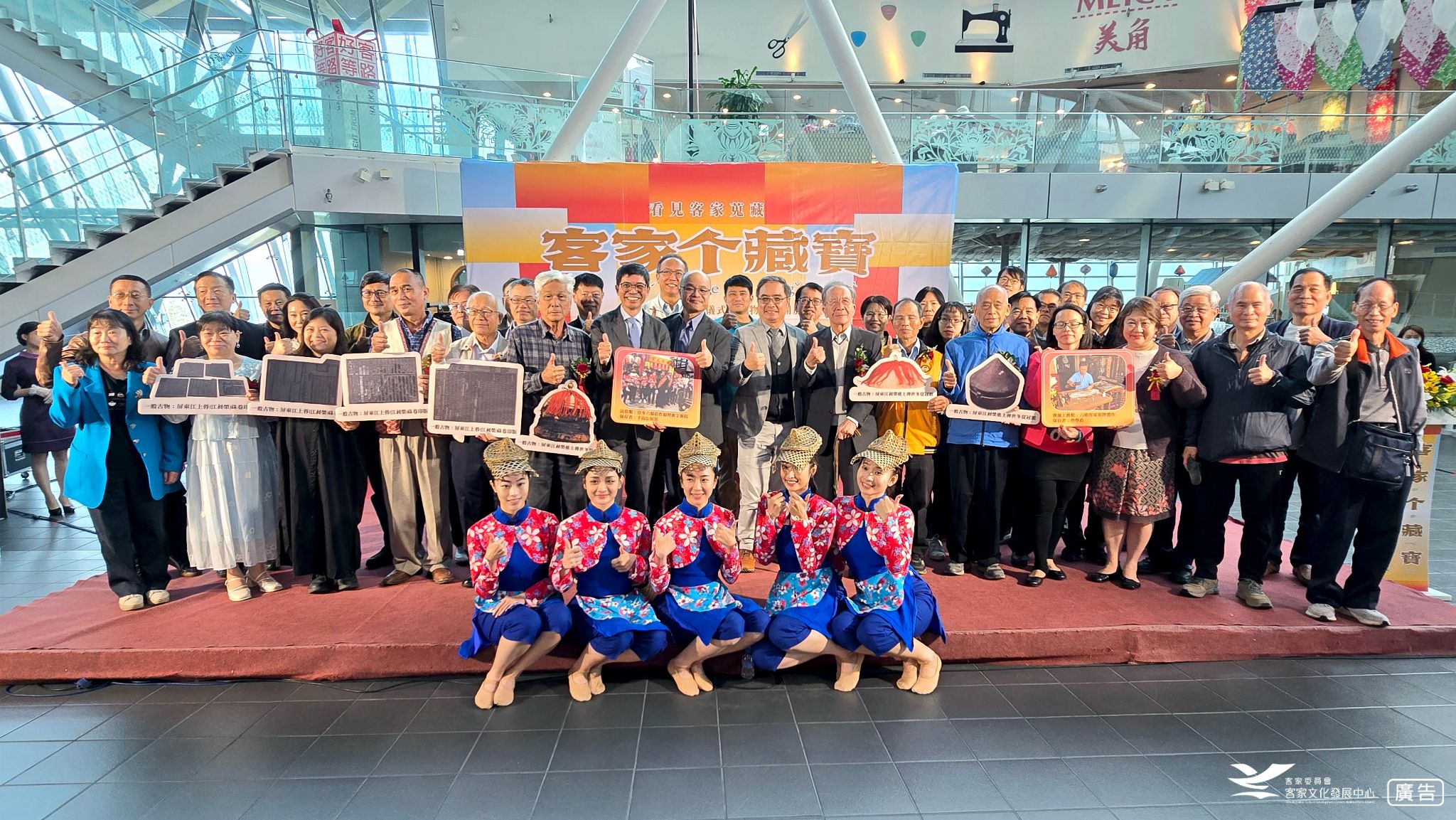
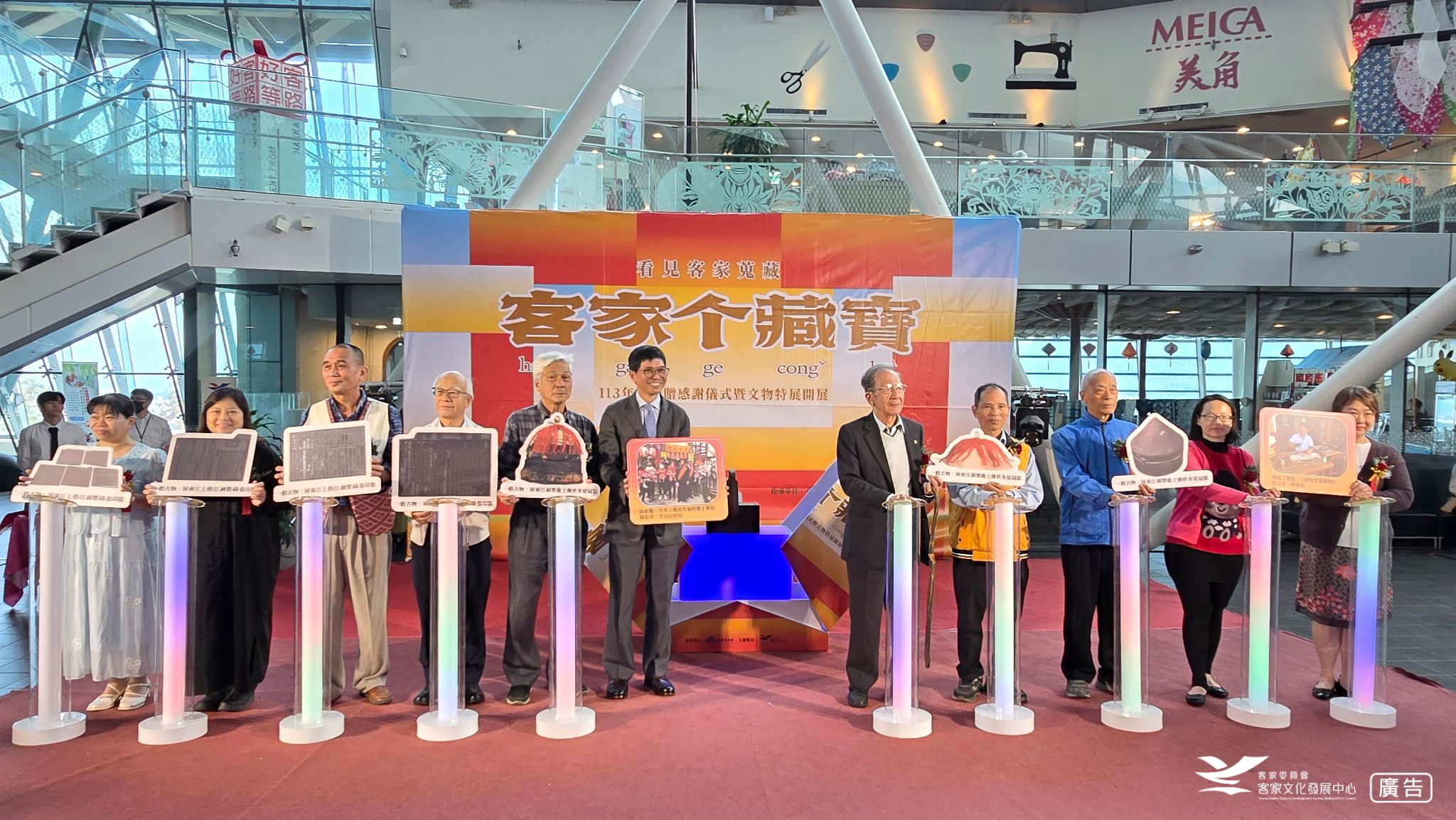
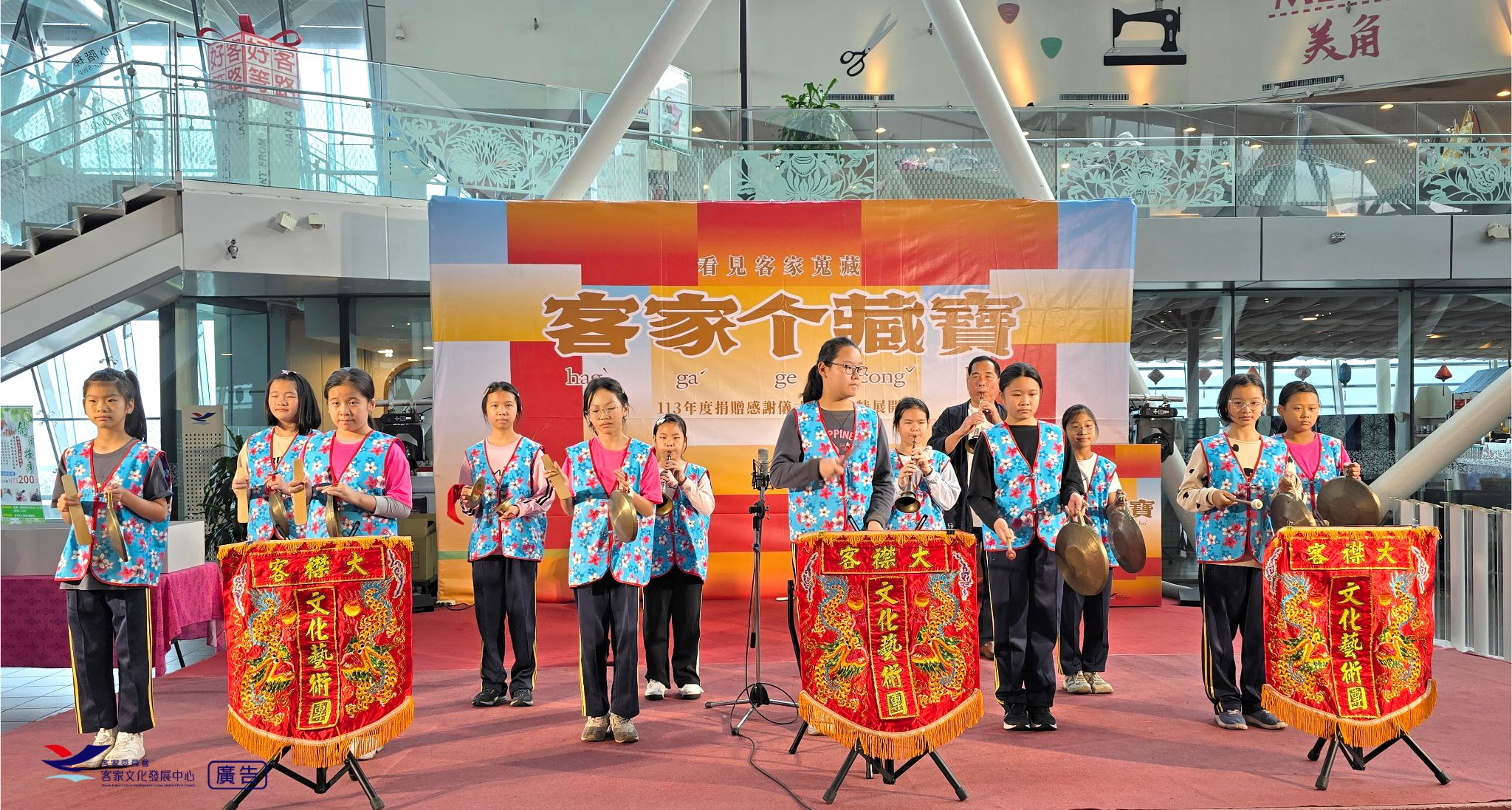
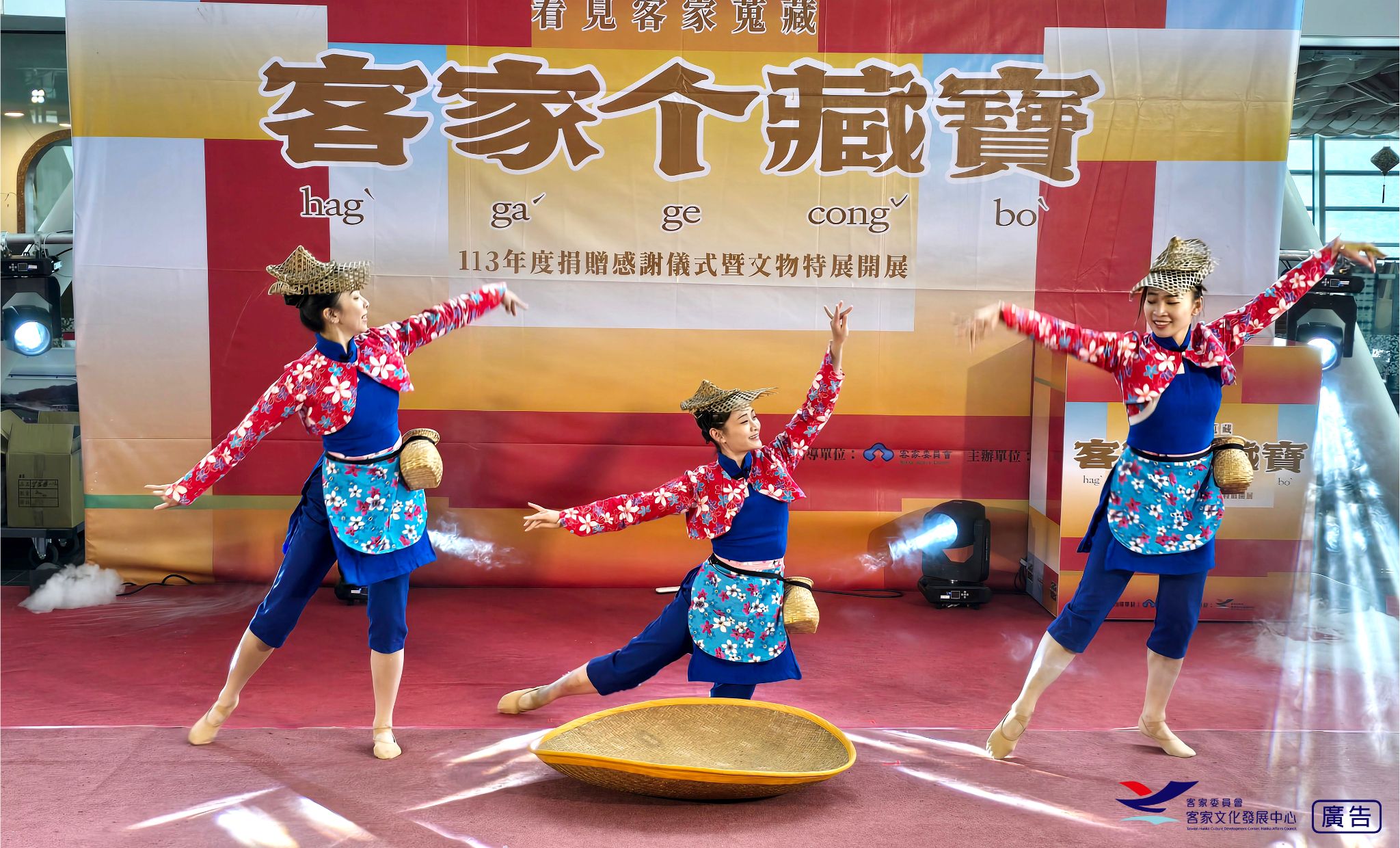
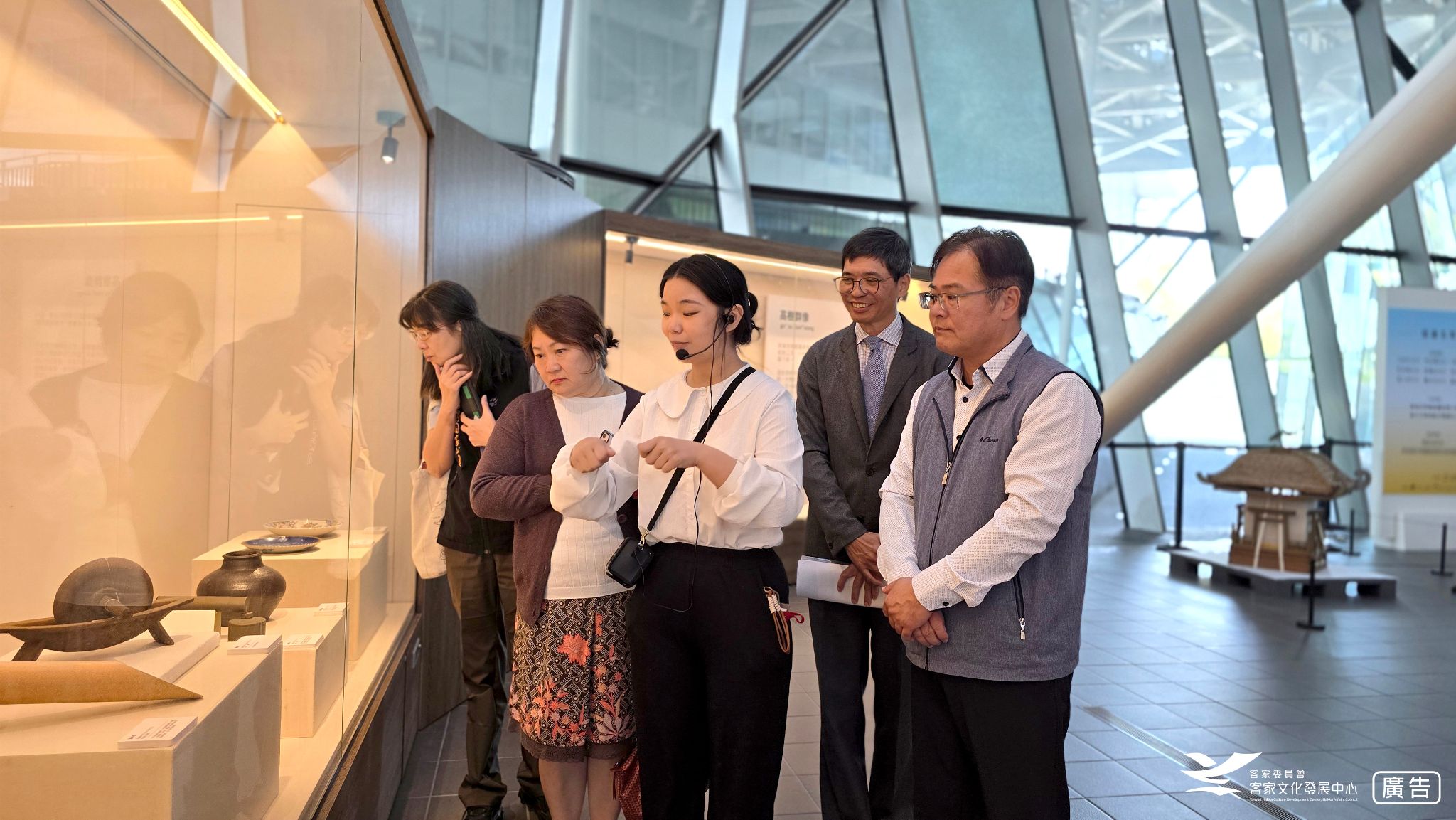
The Taiwan Hakka Culture Development Center of the Hakka Affairs Council held the “Hakka Hidden Treasures: 2024 Donated Artifacts Special Exhibition and Appreciation Ceremony” today (the 12th) at the Taiwan Hakka Museum. Through a formal donor appreciation ceremony and the exhibition’s grand opening, the event not only showcased the Center’s achievements in collecting and preserving Hakka cultural artifacts but also expressed the Center’s deepest gratitude to the many members of the Hakka community who generously contributed the items. These valuable donations have significantly enriched the Center’s collections and will serve as an essential foundation for future exhibitions, educational outreach initiatives, and innovative reuse and revitalization efforts.
Since launching its physical collection of Hakka cultural artifacts, the Center has amassed more than 16,000 items as of the end of 2024. In 2024 alone, 13 donors generously contributed over 400 artifacts. This special exhibition features a carefully curated selection of more than 40 representative pieces, organized into nine thematic sections that illuminate their cultural significance.
The exhibition opens with “Across Oceans, Rooted Legacies: Testaments to Hakka Ties,” featuring a ceremonial flag and conference photographs donated by President Chou Tzu-chiu of the Hakka Tsung Tsin Association of Japan; it highlights the historical trajectory of transregional Hakka networks.
In “Voices on Paper,” copies of The Hakka Monthly magazine donated by General Manager Chang Yi-pin of Hakka Magazine underscore the vital role of Hakka publications in cultural transmission.
“Inscriptions of Poetry and History” presents the acquired poetry collection Beijing Inscription, reflecting the interplay between literary expression and the memory of its time.
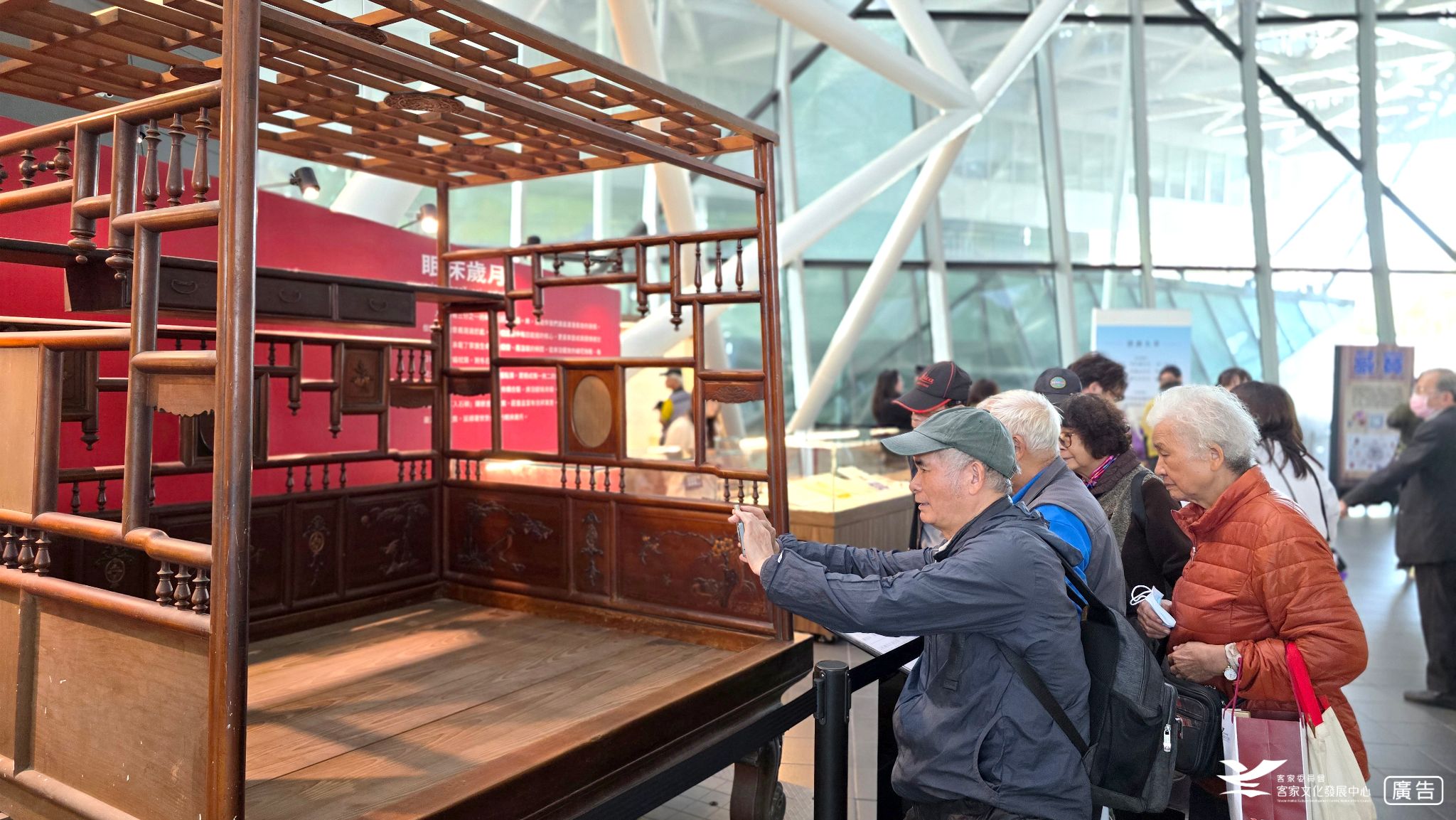
“Bedstead Through the Years” recreates scenes of everyday domestic life through a traditional vermilion-lacquered bed donated by Mr. Chen Rui-hsiang, Ms. Chen Chan Lan-mei, and their descendants, along with a lacquered leather pillow and embroidered slippers donated by the Yangjiyuan Old Street Development Association of Neipu Township, Pingtung County.
In “Daily Life at the Hearth,” wooden rice-cake molds donated by Mr. Ku Shao-hung, as well as ceramic molds, pastry stamps, and a carpenter’s plane donated by Own Lead Primary School in Shengang District, Taichung, evoke the warmth of traditional kitchens and handcrafted production.
“Family Legacy” features rare photographs and financial certificates donated by Professor Huang Cho-chuan, a descendant of the Huang Nan-chiu family, offering a glimpse into the legacy of a prominent lineage.
Through land deeds donated by Mr. Lo Hsi-lan, “Family Memories” traces stories of intergenerational inheritance.
In “Portraits of Gaoshu,” historical and cultural materials donated by Ms. Tseng Tsai-chin weave together the memories of notable local figures.
Finally, “Pastoral Life and Native Soil: Wisdom in Harmony with the Land” showcases irrigation tools and a medicine grinder donated by Mr. Ho Min-hsiung; a shovel and oil extractor donated by Mr. Pan Ta-chou; and tea jars and blue-and-white porcelain plates donated by Mr. Lo Yung-chang, collectively illustrating the ingenuity of Hakka communities in agriculture and land-based living. Through the interweaving of transoceanic connections, family memories, domestic artifacts, and land-based craftsmanship, the exhibition offers a comprehensive and nuanced portrait of the depth and richness of Hakka culture.
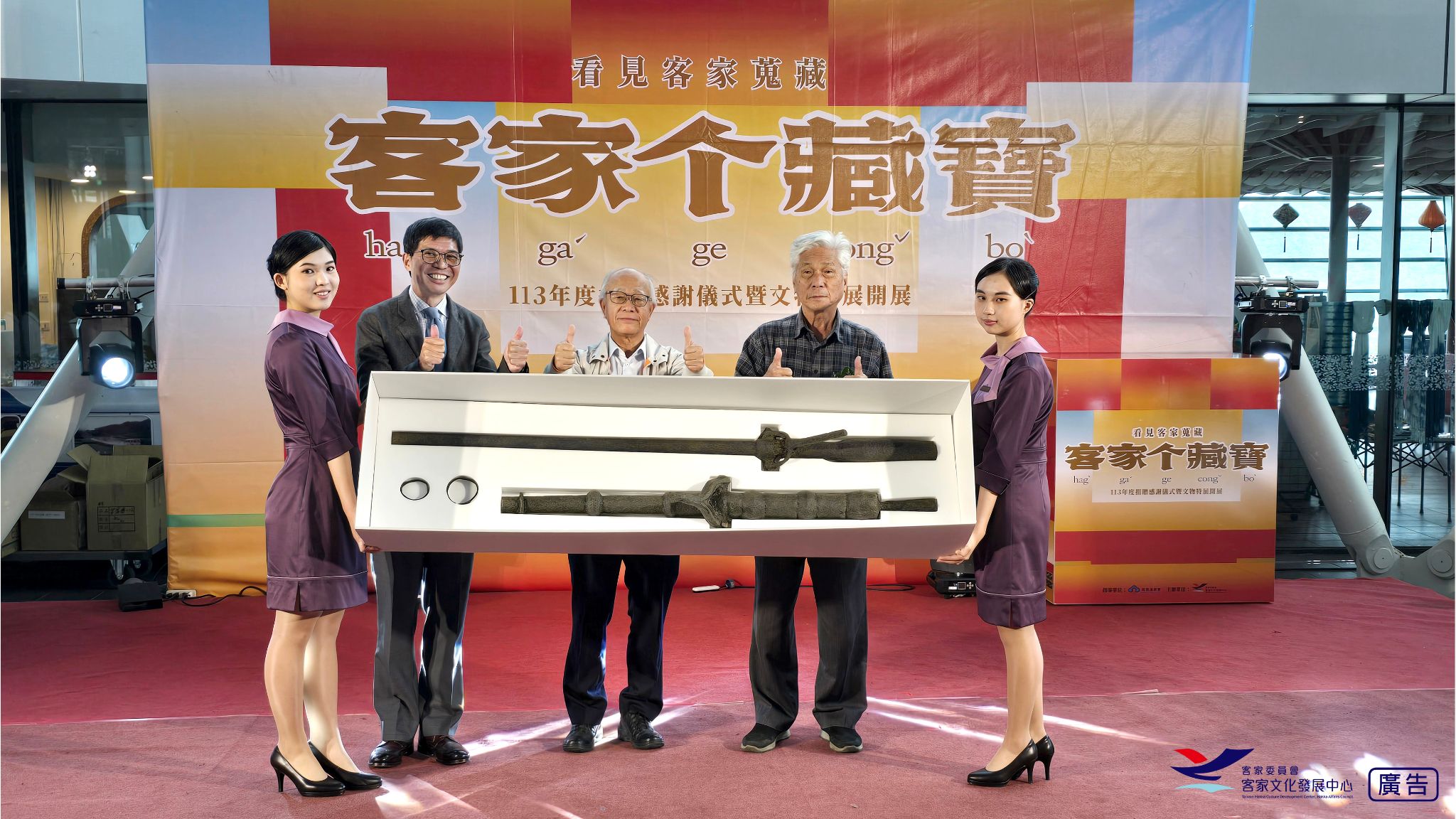
Director Ho Chin-liang of the Taiwan Hakka Culture Development Center under the Hakka Affairs Council remarked that he was especially pleased to welcome today’s donors and distinguished guests, including Director Huang Hsiang-yu and Senior Specialist Wu Chih-feng of the Taiwan Historica; Chairman Chen Pang-chin of the Hakka Public Communication Foundation; Hakka Affairs Council Members Cheng Hsiang-hao, Peng Jui-te, Hsu Yung-chuan, and Wu Ting-ting; Deputy Director Chung Kuo-hsiung of the Miaoli District Agricultural Research and Extension Station; Section Chief Chang Mei-chung of Shei-Pa National Park Headquarters; Director Huang Kuo-chao of CPC Corporation, Taiwan’s Exploration and Production Division; former Chief Secretary Hsu Tien-fu of the National Museum of History; Executive Secretary Lai Mei-yuan of Dahu Township Office; Section Chief Liu I-chen of the Hsinchu County Department of Civil Affairs; representatives Chiu Yu-kuan and Chen Hsuan-hsuan of Guoxing Township Office; Dean of Student Affairs Lin Pen-hsuan, Professor Chang Chen-chi, and Professor Yu Lung-tung of National United University; Director Li Shih-wen of Xihu Township Library; Principal Hsu Min-fang of Jungshing Elementary School in Tongluo, Miaoli; Principal Chen Hsiu-ching of Jiuhu Elementary School; Principal Chan Wen-cheng of Ruei Suei Elementary School in Taichung; Principal Chen Mei-chuan of TuNiou Elementary School; Principal Liu Wen-kuei of Shih Cheng Elementary School; Principal Chang Wen-huang of Cheng-Kung Elementary School; Principal Chan Chung-sung of Da-Nan Elementary School; former Principal Wu Chin-sen of Hsin-She Elementary School; and Director Hsu Ta-wei of Zhong-Keng Elementary School. In recent years, the Center has actively advanced the collection, preservation, and adaptive reuse of cultural artifacts, achieving significant results. This year, in addition to presenting certificates of appreciation to 13 donors in recognition of their support for cultural preservation, the Center made a special return gift—a replica of an antique cannon (firearm)—to Mr. Hsiao Yi-hsiung, former chairman of the Hsiao Family Ancestral House Management Committee, in appreciation of his contributions to artifact research. A particularly notable highlight this year is the donation by the CMP Group of more than 400 Hakka village artifacts from the Shangri-La Paradise collection—the first large-scale cultural asset donation by a private enterprise. The event also showcased major achievements in cultural heritage preservation. Two items from the Center’s collection—the “Winter and Summer Official Hat Set of Pingtung Scholar Jiang Chang-rong” and the “Vermilion Examination Printing Blocks of Jiang Shang-rong (Jiang Chang-rong) of Pingtung”—have been officially designated as General Antiquities. Additionally, “Jiadong Liugen Zhuang’s Ritual of Welcoming Newborns and New Lineages,” guided by the Center, has been successfully registered as an intangible cultural heritage item in the folklore category, while “Hakka Ancestral Tablets” have been registered as an item of intangible cultural heritage in the traditional craftsmanship category. These accomplishments not only deepen the Center’s research and stewardship of its collections but also enhance the added value and public accessibility of cultural artifacts. Looking ahead, the Center will continue to promote cross-institutional collaboration and international exchange, enabling broader audiences to experience the richness and diversity of Hakka culture.