
Activity Outcome
Opening of the Northern Taiwan Talent Training Session under the “Collecting and Writing Guidance Program for the National Hakka Village History Project (Phase IV)



- Source:客家文化發展中心
- Publication Date:2026/06/05
- Last updated:2026/06/05
- Count Views:388
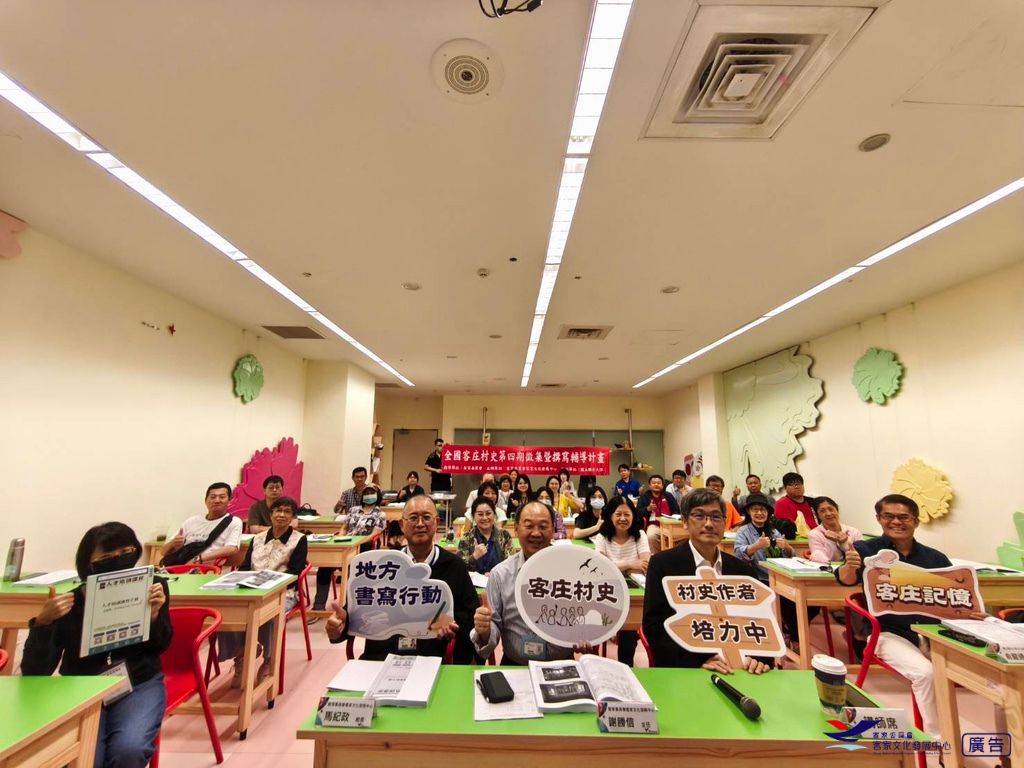
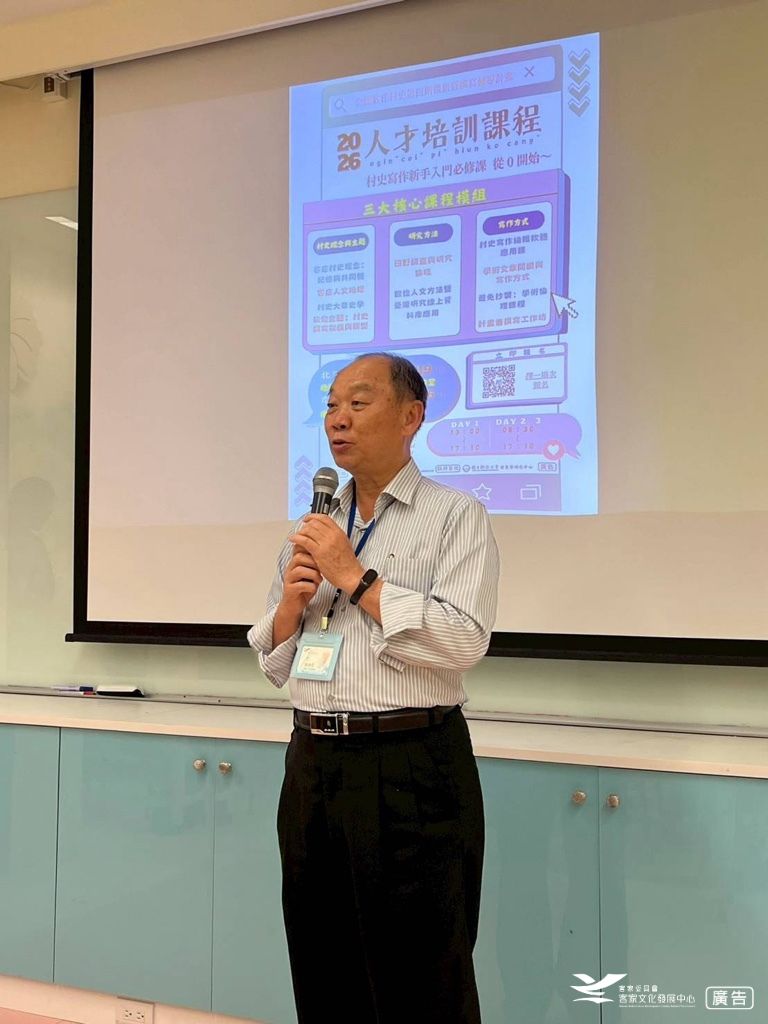
Starting today (April 17), our center is hosting the Talent Writing Training Session under the “Collecting and Writing Guidance Program for the National Hakka Village History Project (Phase IV)” at the Taiwan Hakka Museum. The program brings together several senior professors with extensive hands-on experience to lead the instruction. Through a combination of systematic coursework and practical experience sharing, participants are guided through the fundamentals of village history writing and field research techniques. The goal is to strengthen their ability to document local history and culture while continuing to build momentum for preserving and recording Hakka cultural memory.
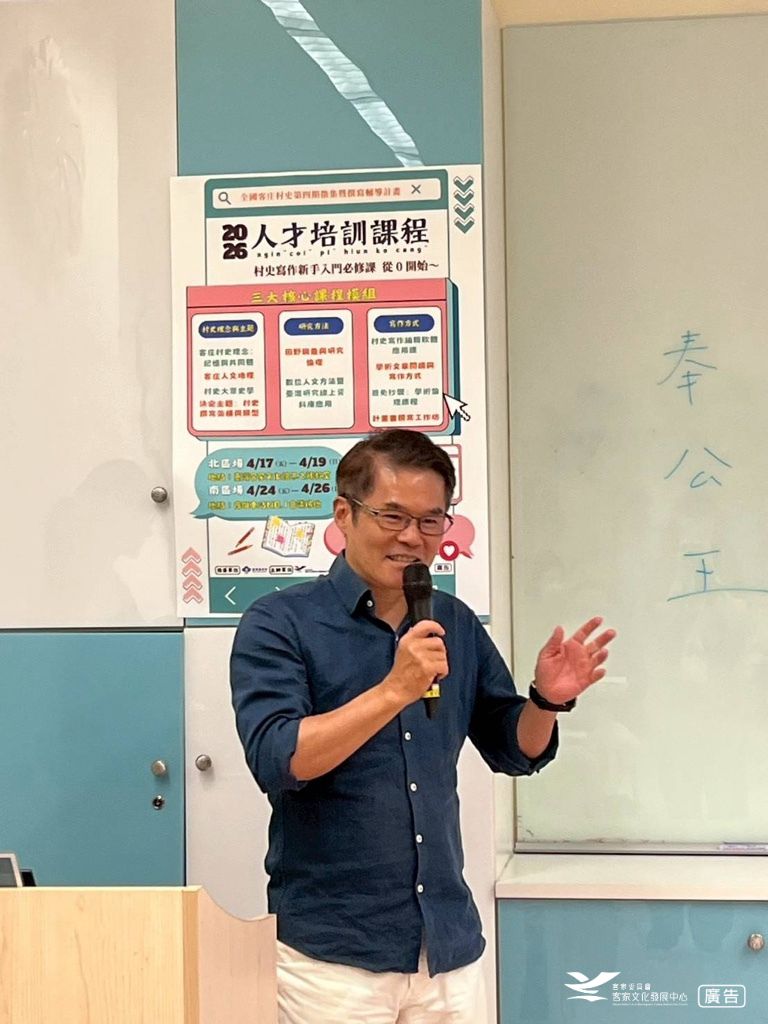
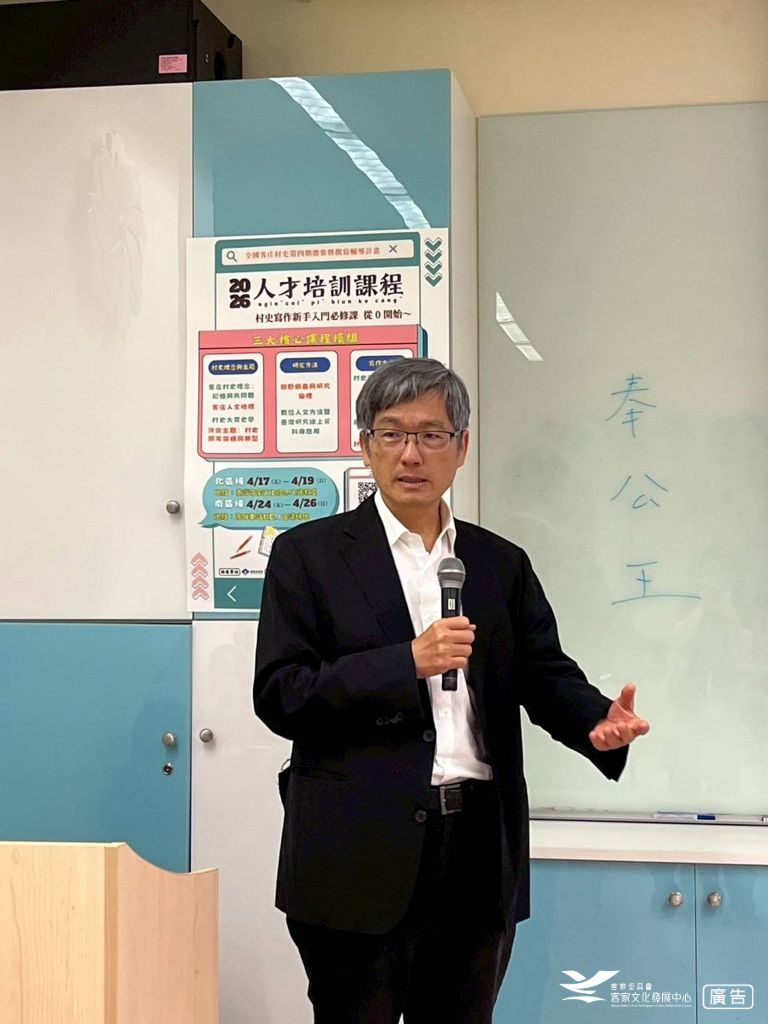
On the first day of the session (April 17), Professor Yang Chang-chen, former Minister of the Hakka Affairs Council, was invited as a special speaker. Drawing from both policy implementation and cultural practice perspectives, he shared his experience and vision for advancing the village history project. His talk walked participants through the developmental of Hakka village histories and laid an important foundation for the overall program. Our center’s Director Hsieh Sheng-hsin also offered words of encouragement, expressing hope that this training would help participants deepen their writing skills and continue the vital work of collecting and passing down local memories.
The second lecture was delivered by Professor Wei Yan-zao from the Department of Geography at National Taiwan Normal University, titled “Human Geography of Hakka Settlements.” Starting with the distribution of ethnic groups and languages, the lecture explored the formation and evolution of Hakka settlements. By analyzing place names and everyday folk culture, Professor Wei guided participants in understanding local landscapes through the intertwined lenses of space and culture.
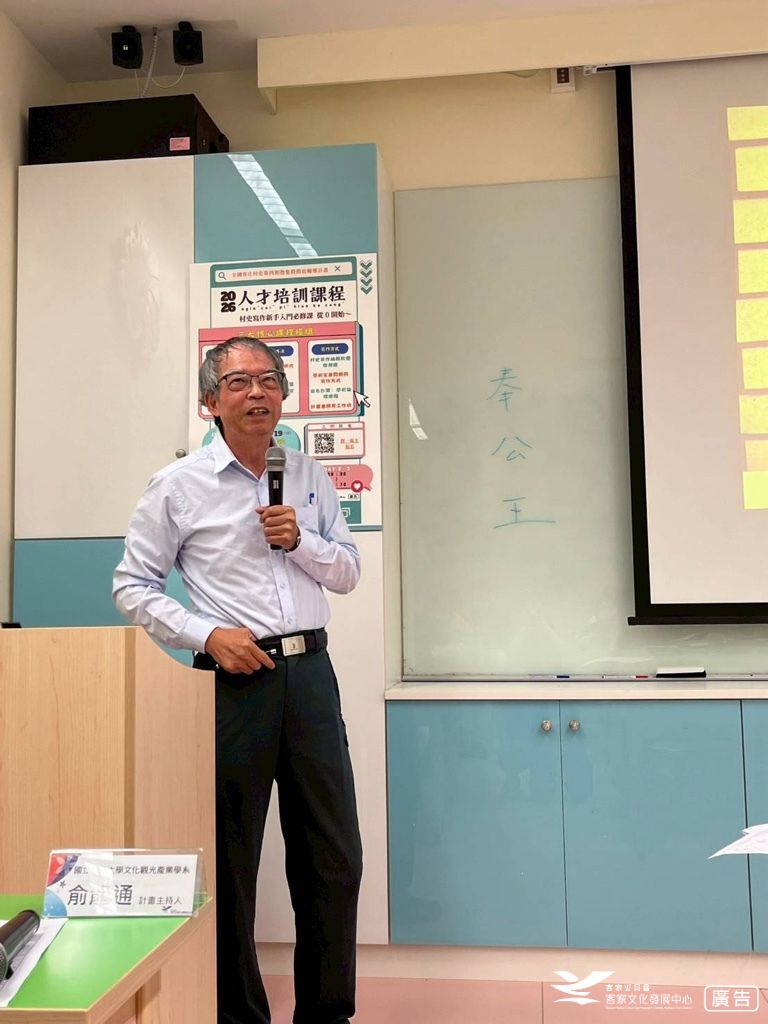
This training program was designed by the Project Director, Yu Lung-tung, who also serves as Chair Professor of the Department of Culture and Tourism at National United University. Grounded in a practice-oriented approach, the curriculum is built around three core learning components: clarifying the concepts and themes of village history writing; conducting field research and mastering research methodologies; and hands-on practice in editing, writing, and proposal development. Together, these components provide participants with step-by-step guidance, aiming to build a well-rounded capacity for village history writing.
📚 #Ongoing Training Program (April 18–19)
Over the next two days, the training program will dive further into hands-on practice and methodology. Topics to be covered include: “Public History in Hakka Village History Writing,” “Narrative Structures and Genre Selection in Village History Writing,” “Field Research and Research Ethics,” “Digital Humanities Methods and the Use of Online Databases for Taiwan Studies,” “Writing and Editing Software Applications,” “Academic Reading and Writing Skills,” “Academic Ethics and Avoiding Plagiarism,” and a “Proposal Writing Workshop.” Together, these sessions provide a seamless progression from theory to practice, strengthening participants’ overall writing and project execution abilities.
Moreover, the Southern Taiwan session will take place from April 24 to 26 at the No.1 Conference Center of Kaohsiung Station. The second session will further expand talent cultivation and strengthen the capacity for village history writing.
For more information, please visit our website: Become an Author
https://hgking10000.wixsite.com/hakkavillage