
Activity Outcome
Phase III of the Hakka Village History Project in Central, Southern, and Eastern Taiwan – Second Writing Exchange Session Concludes Successfully



- Source:客家文化發展中心
- Publication Date:2026/02/21
- Last updated:2026/02/21
- Count Views:692
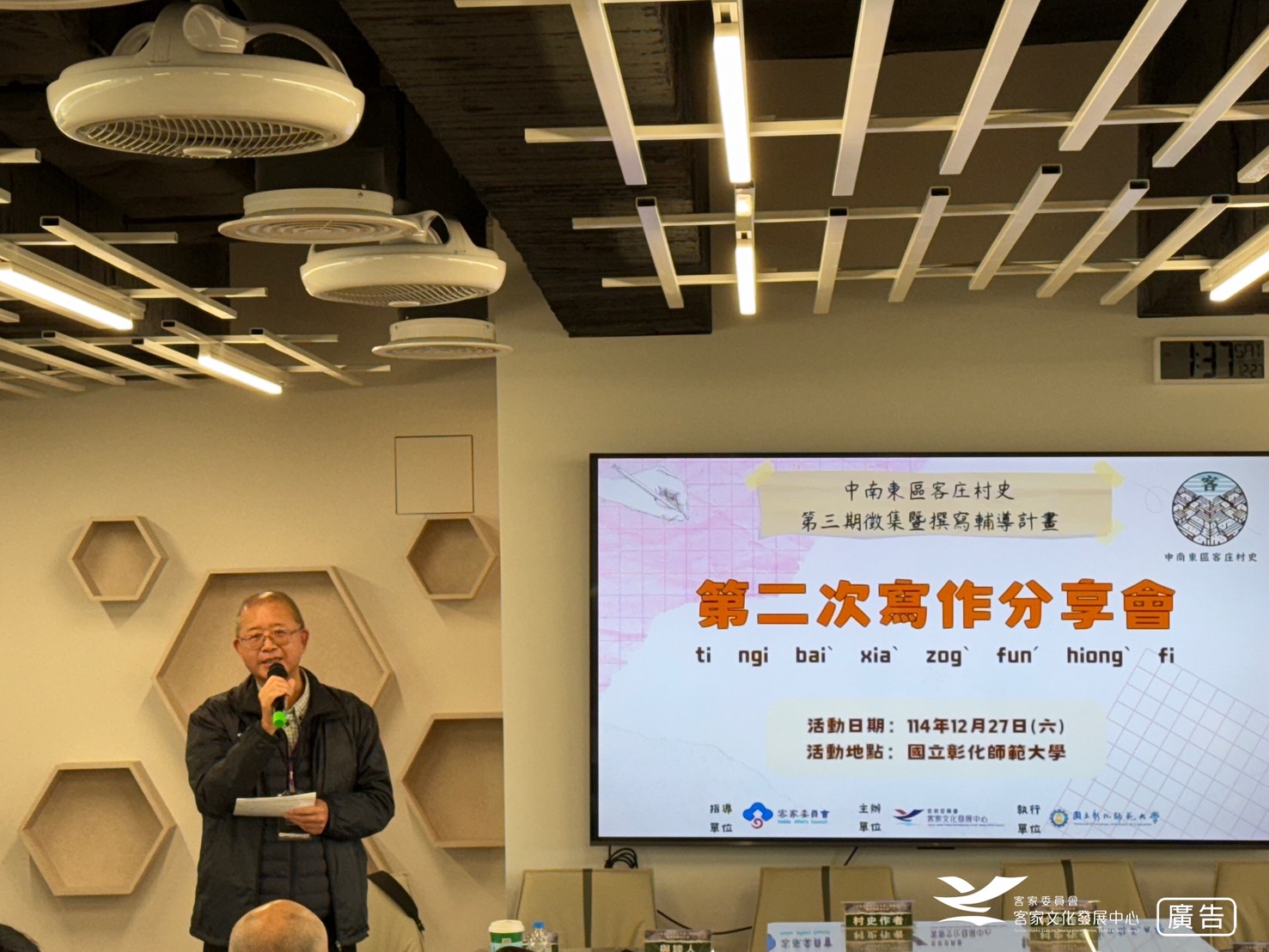
A wonderful recap! The Village History Writing Exchange Session has come to a successful close.
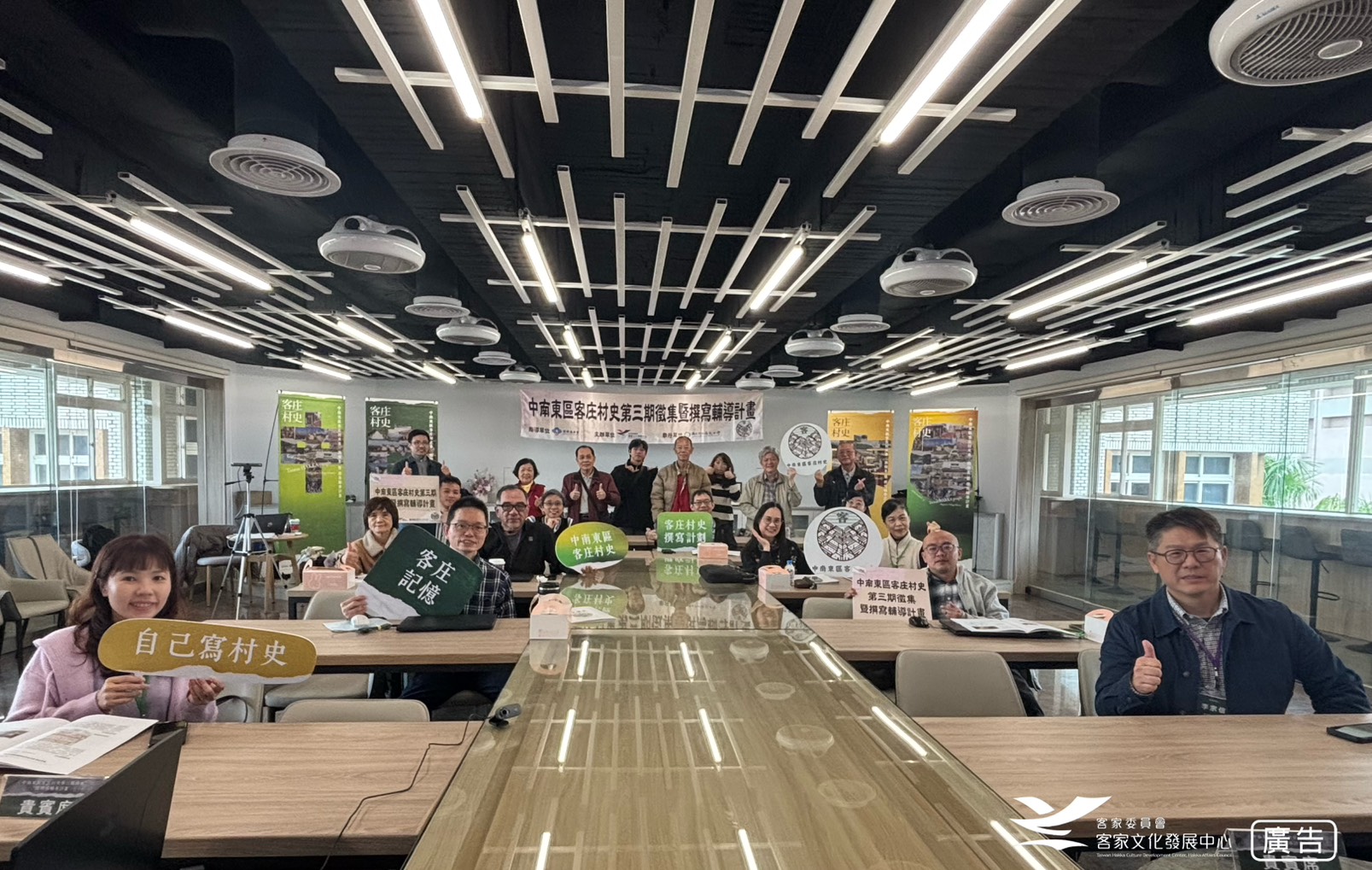
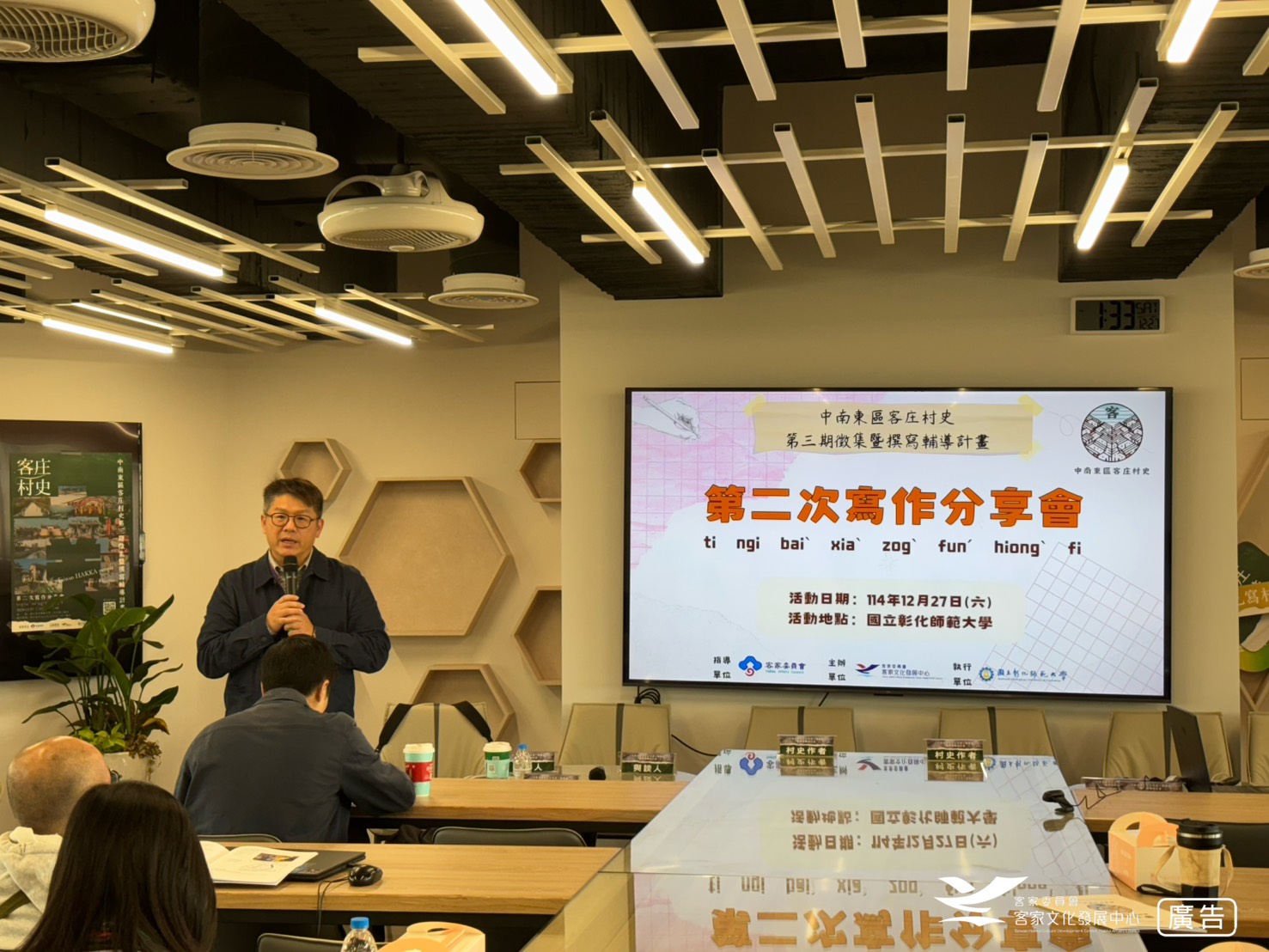
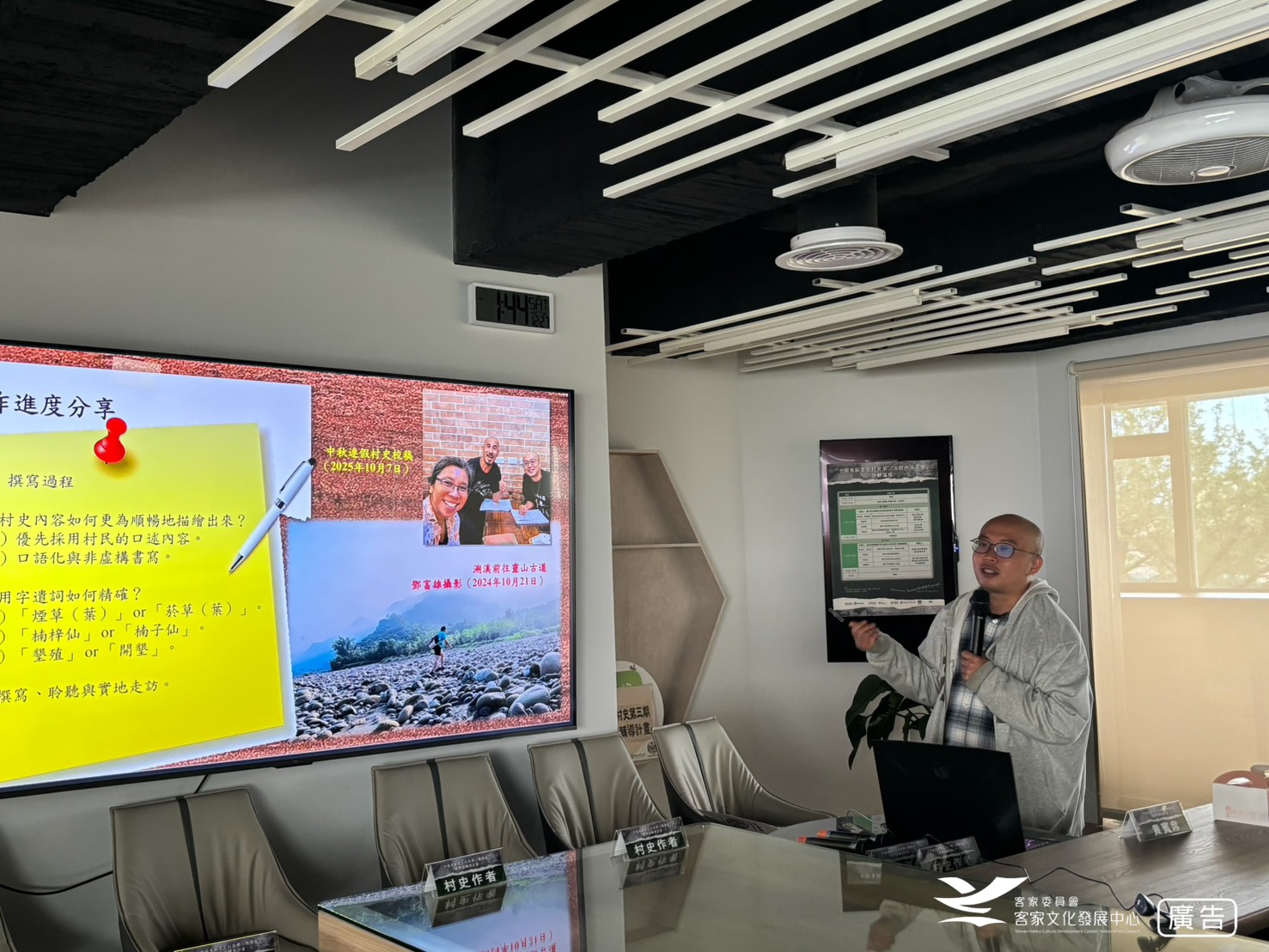
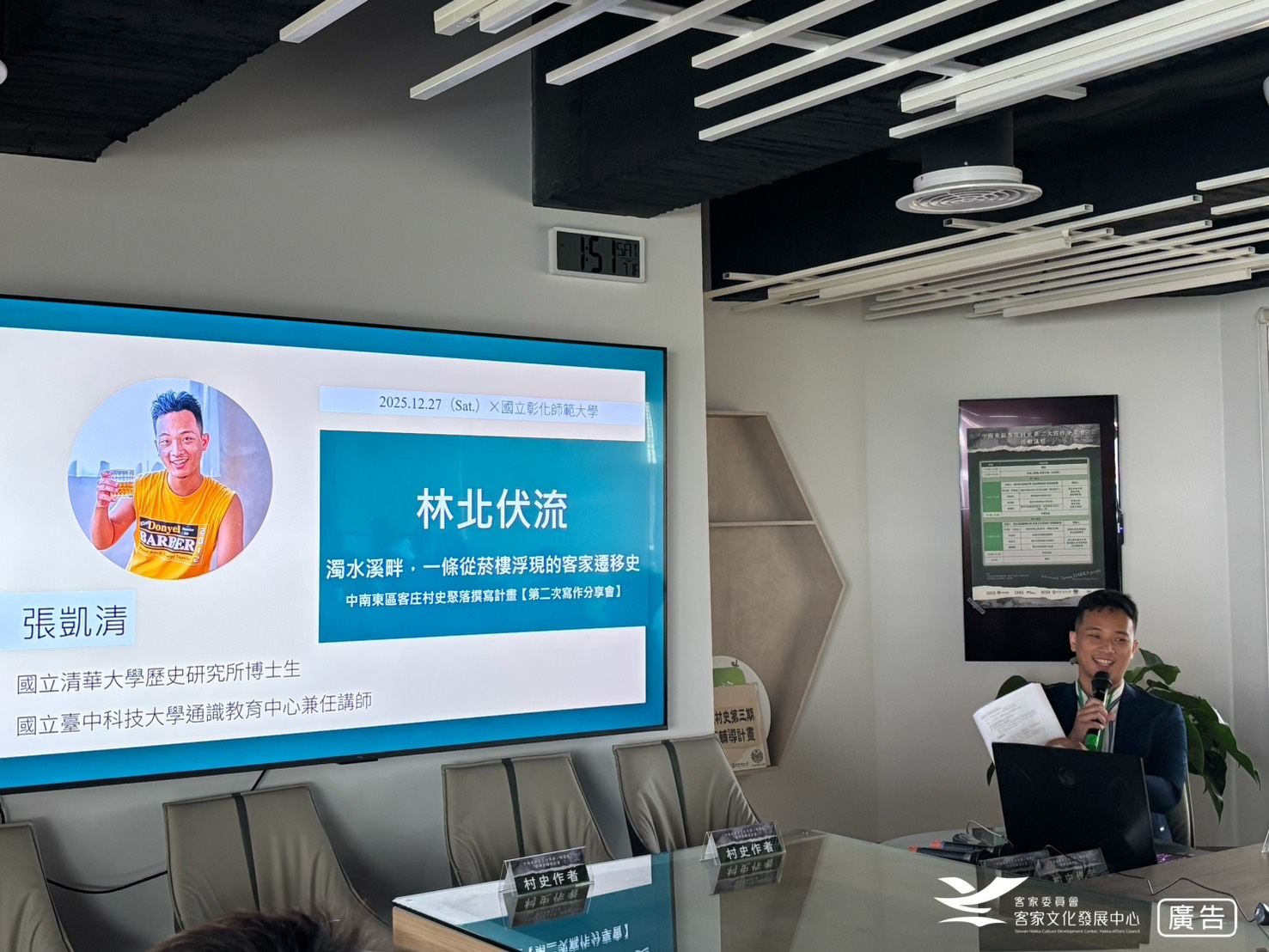
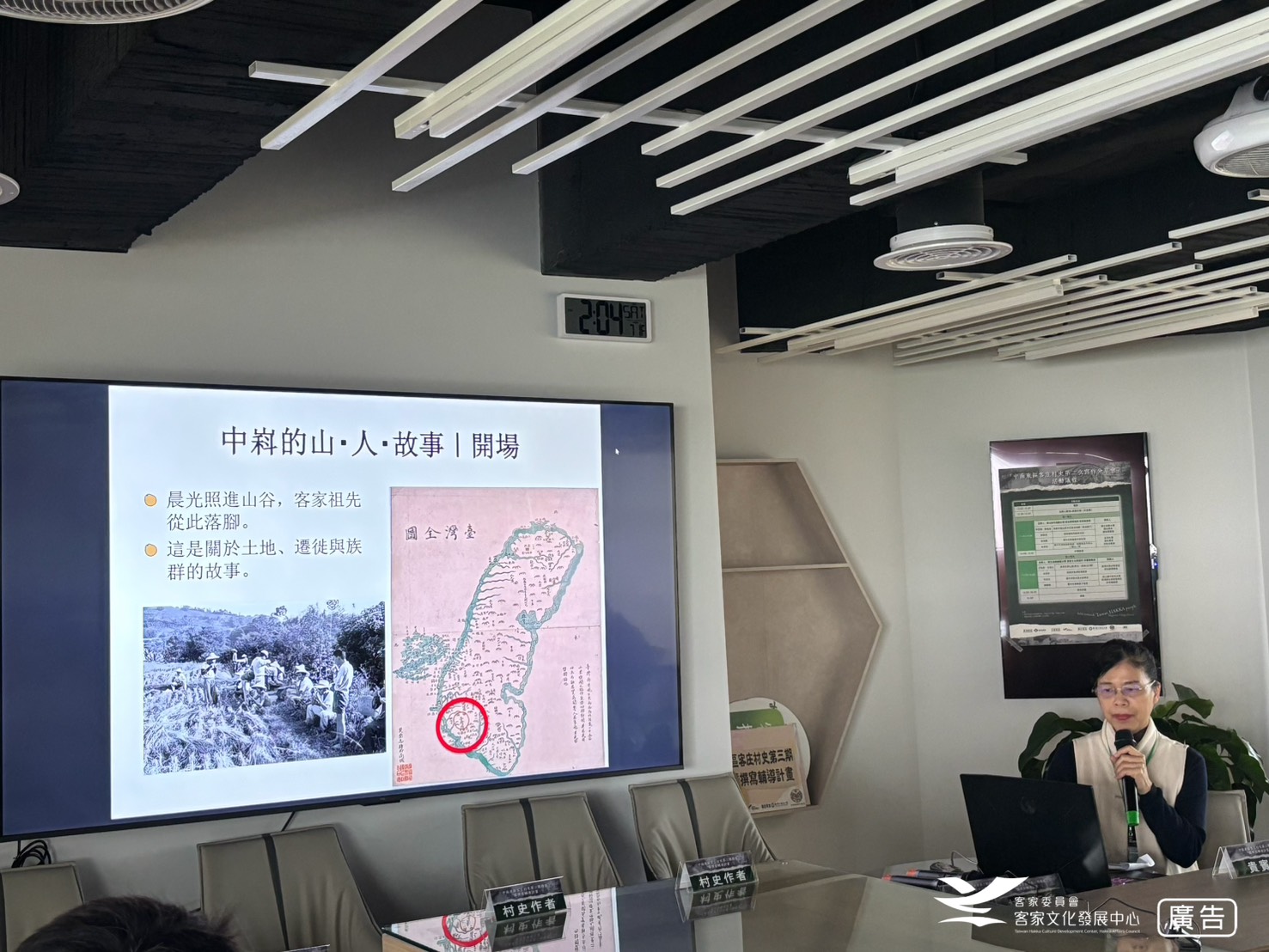
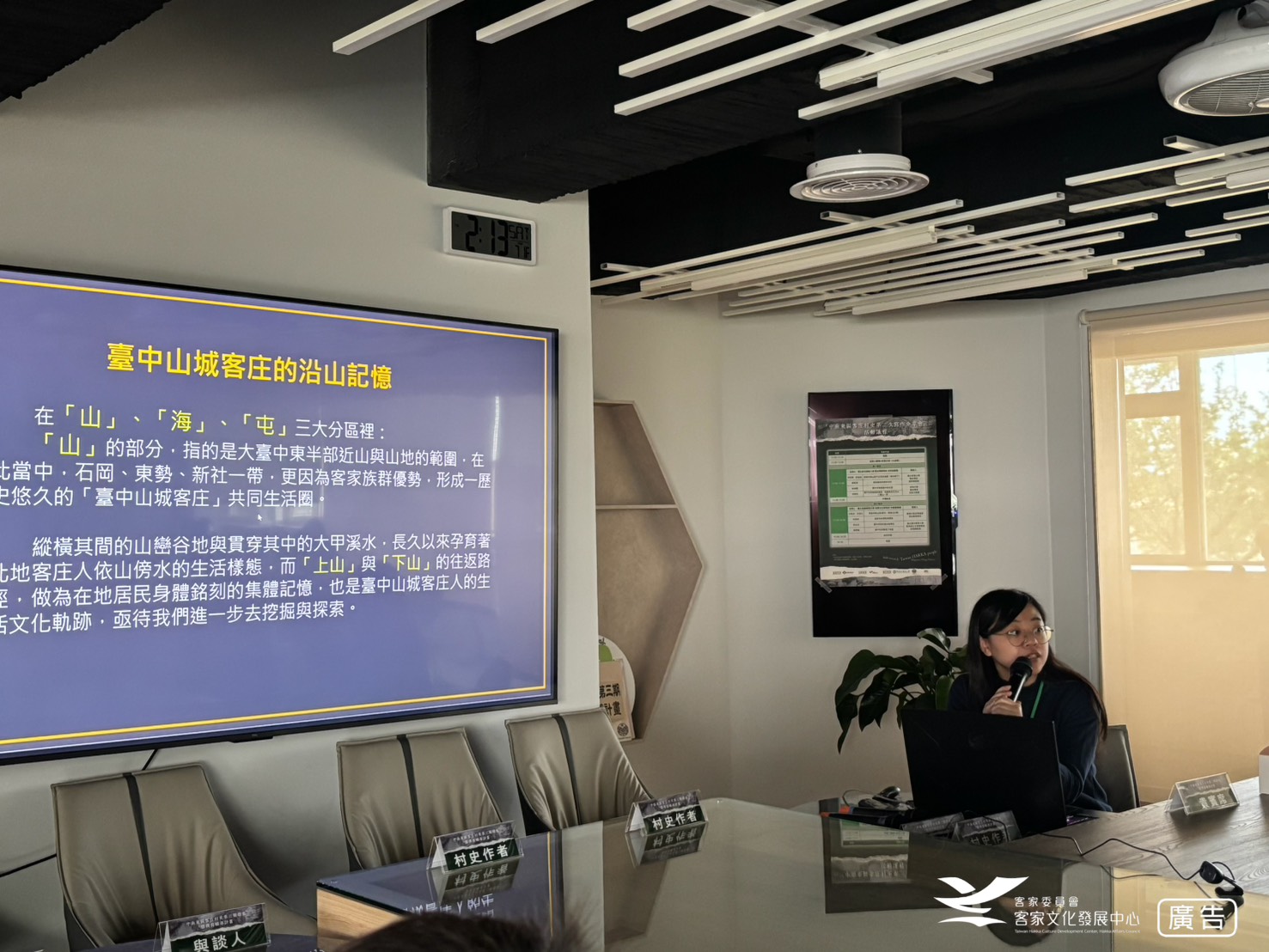
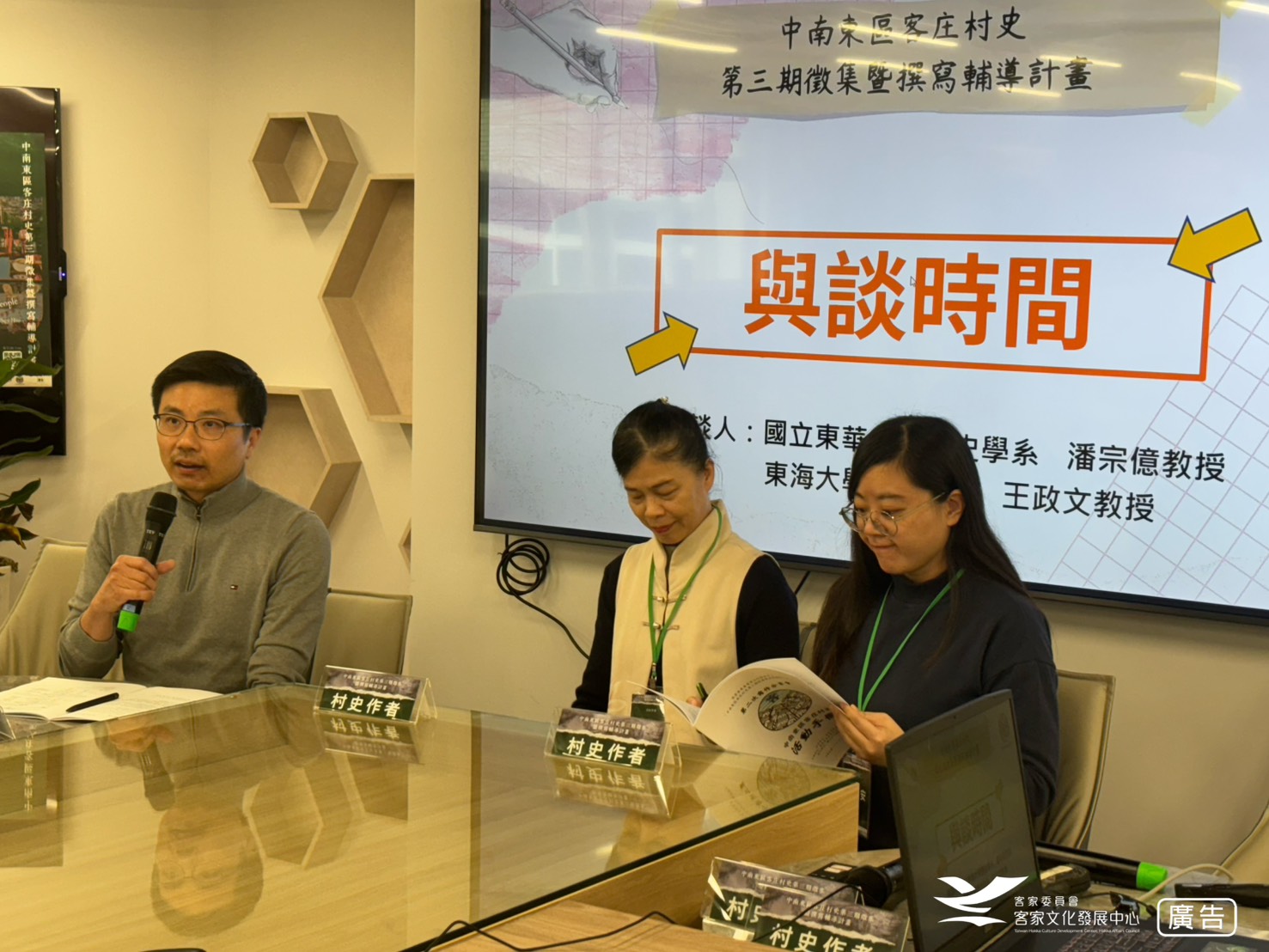
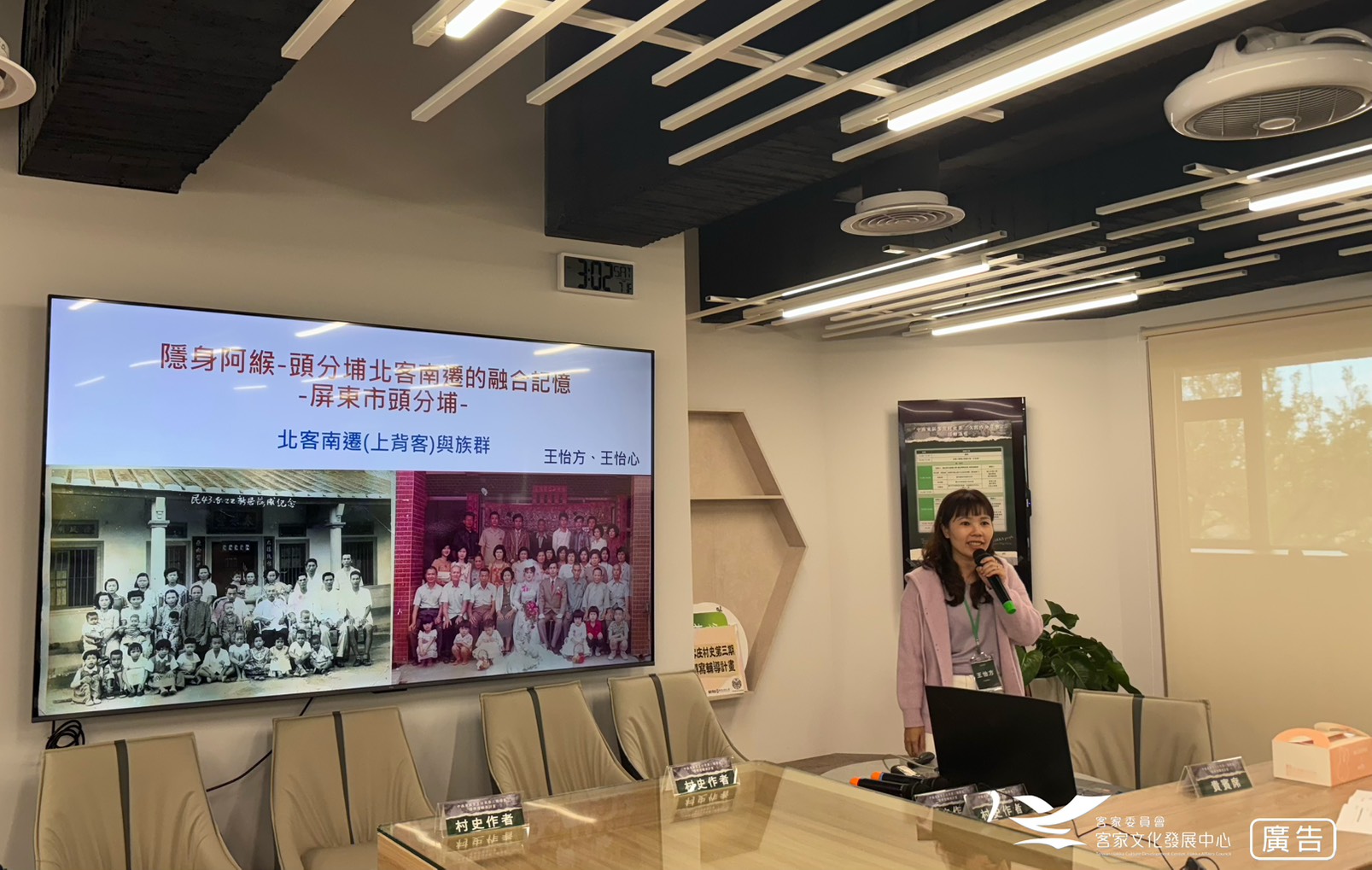
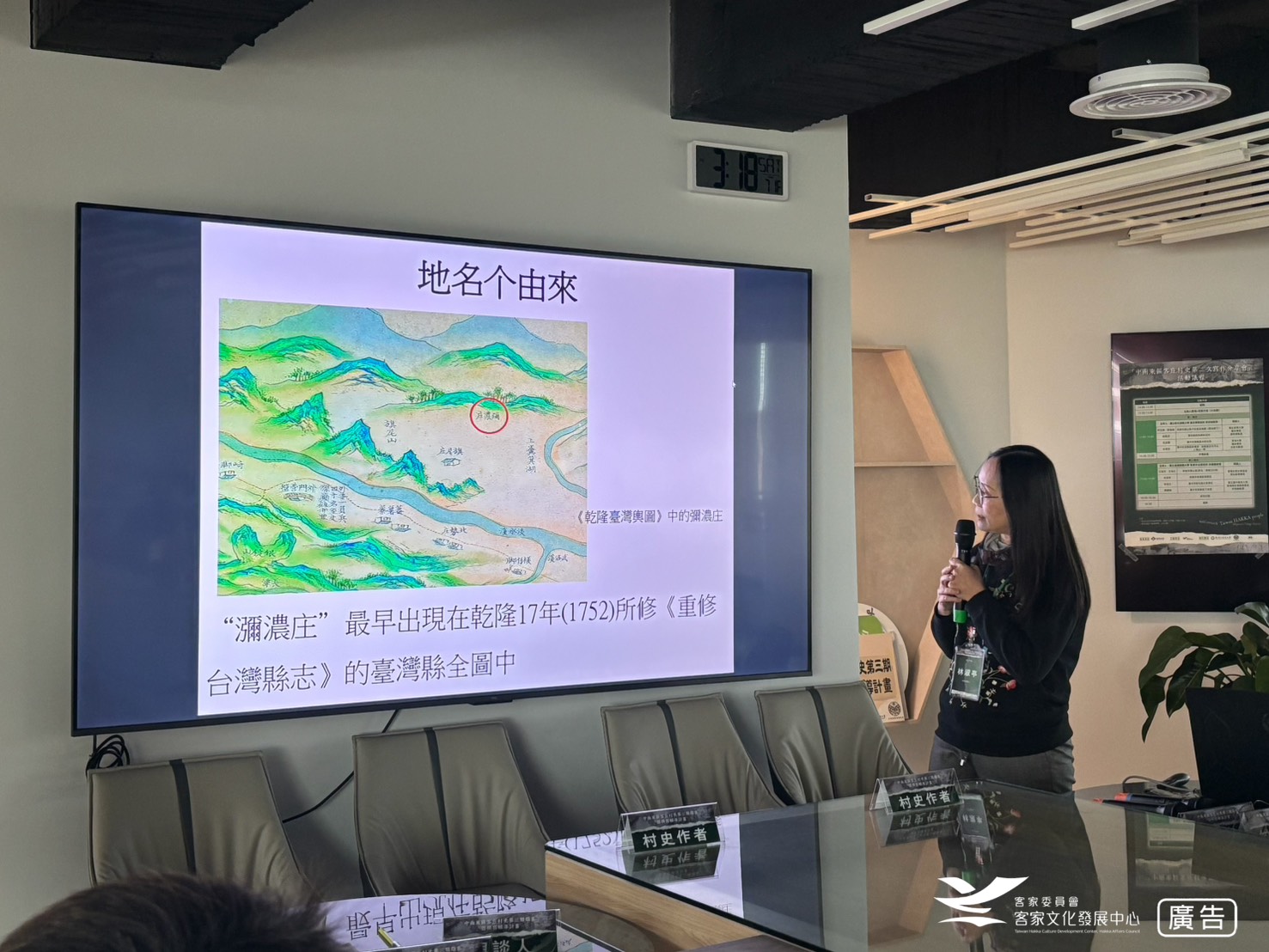
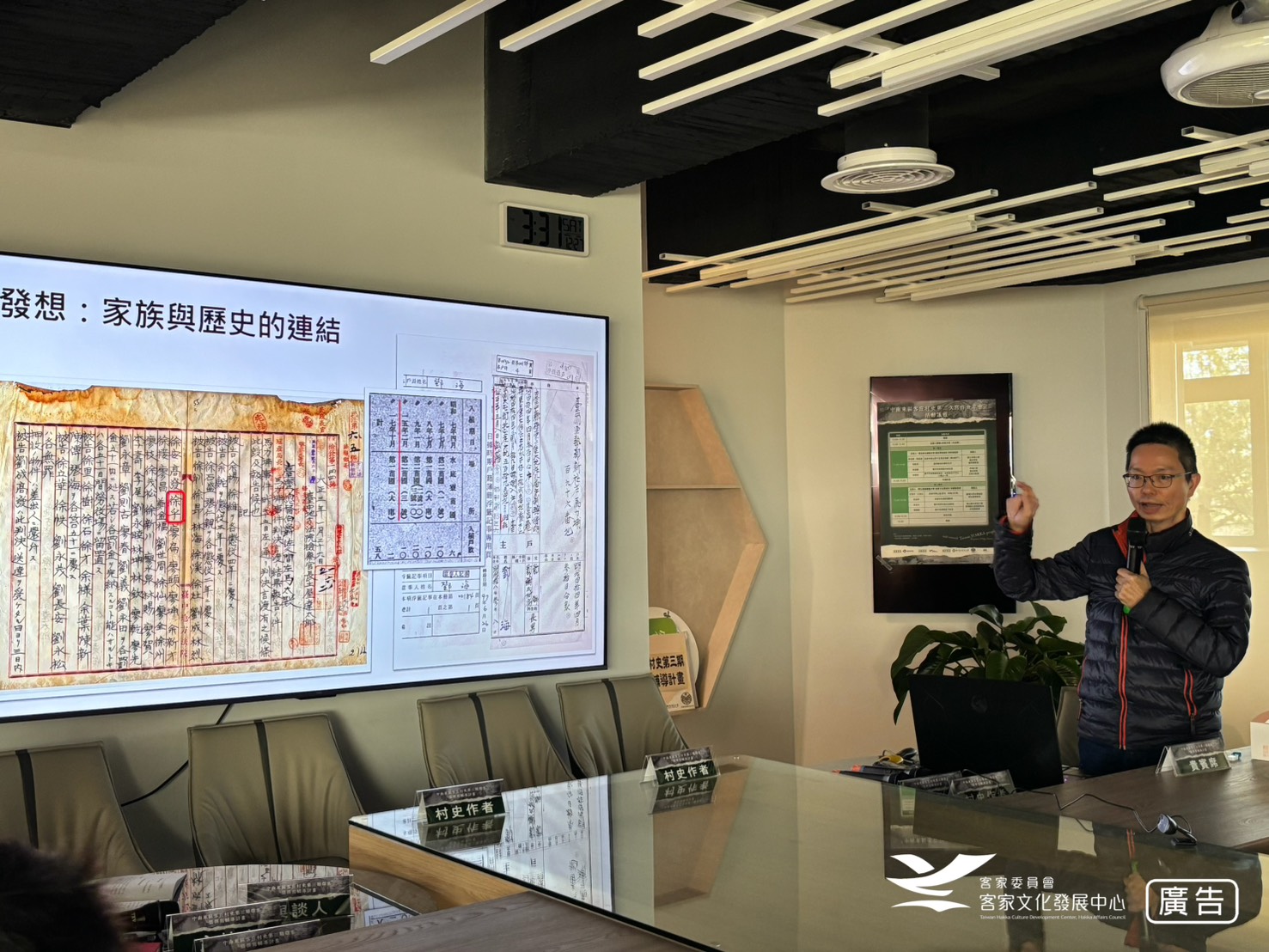
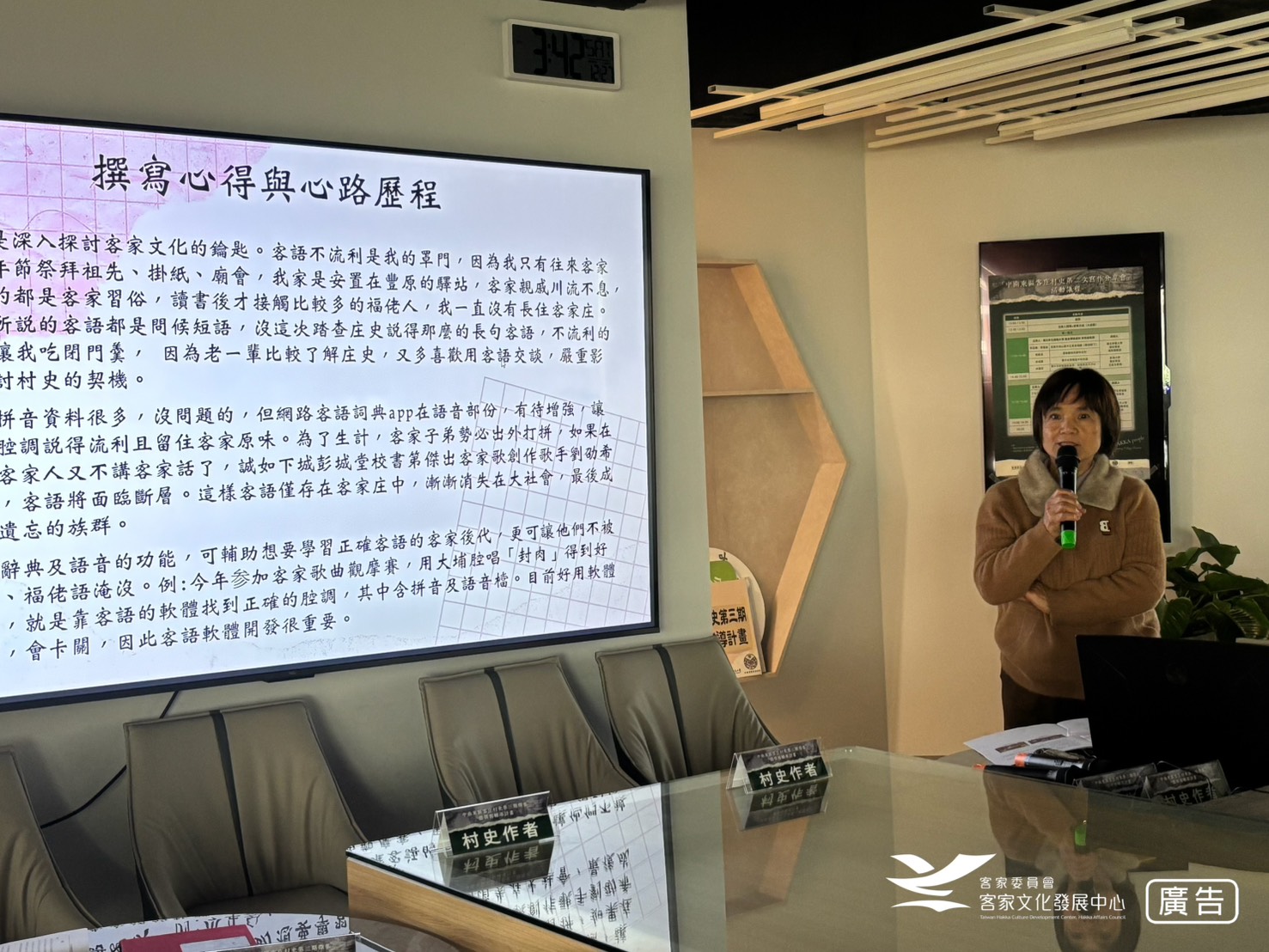
The second writing exchange session was held today (December 27) at the Jinde Campus of National Changhua University of Education. Authors participating in this phase of the Village History Project gathered to share reflections from a year of field research and interviews, along with personal insights into their writing journeys and the stories behind their work.
Section Chief Ma Chi-cheng of the Taiwan Hakka Culture Development Center also made a special appearance to express heartfelt appreciation for the authors’ dedication and hard work and to share his anticipation for forthcoming publications. Filled with storytelling and lively exchange, the gathering proved deeply rewarding for all participants while infusing fresh energy and inspiration into the preservation and transmission of Hakka village culture. Sincere thanks as well to the Village History Advisory Team for their enthusiastic support and engagement!
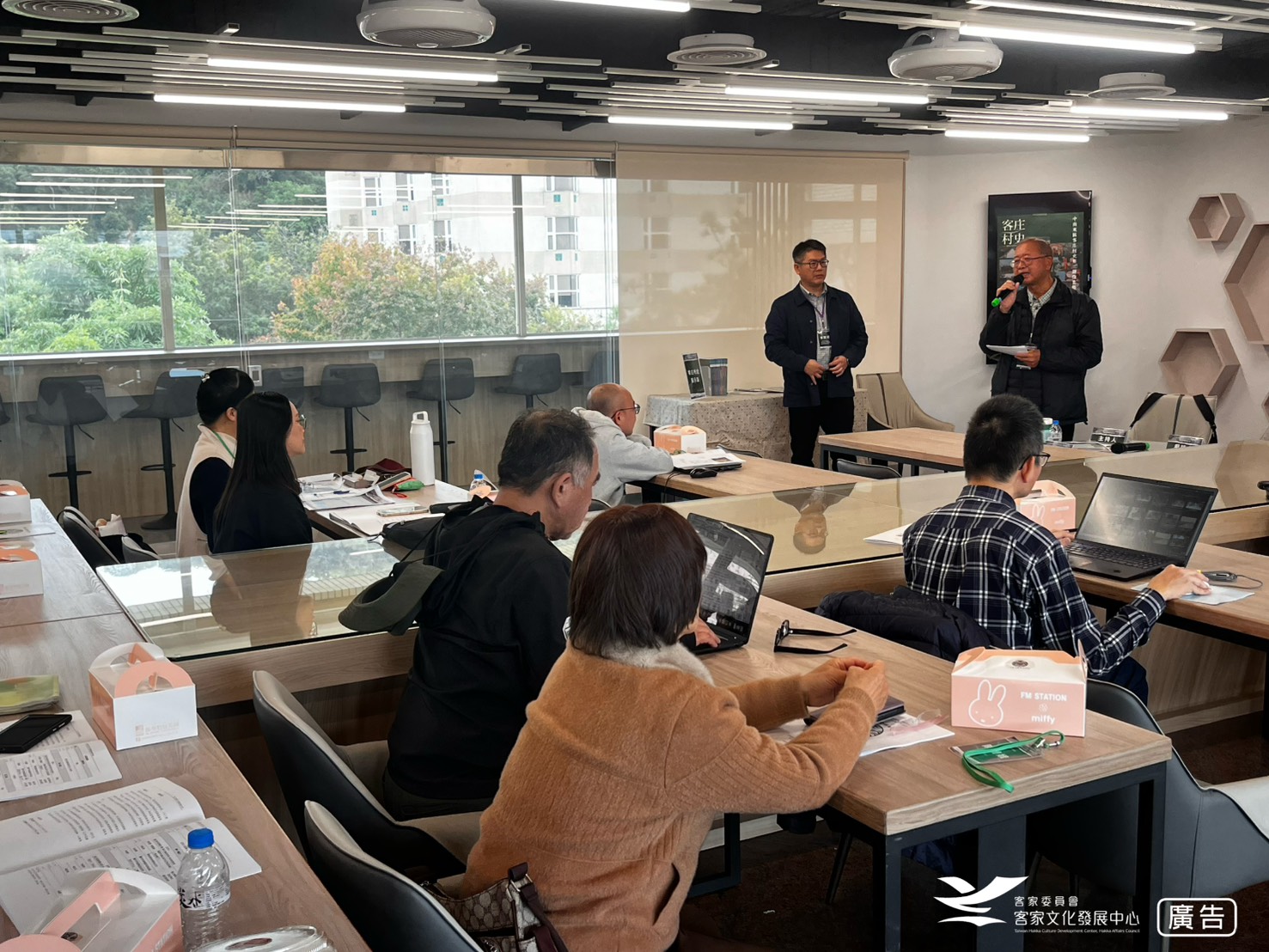
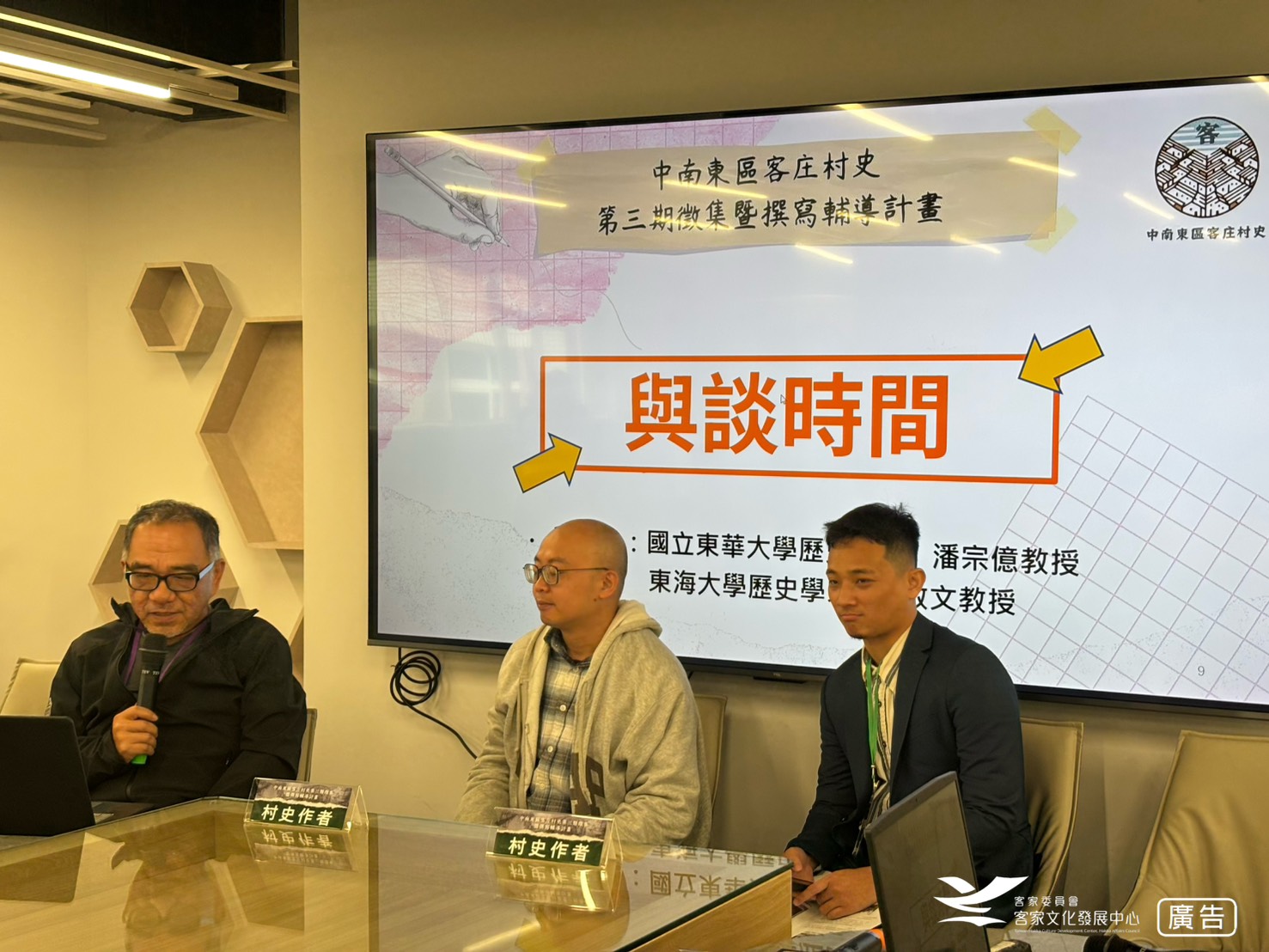
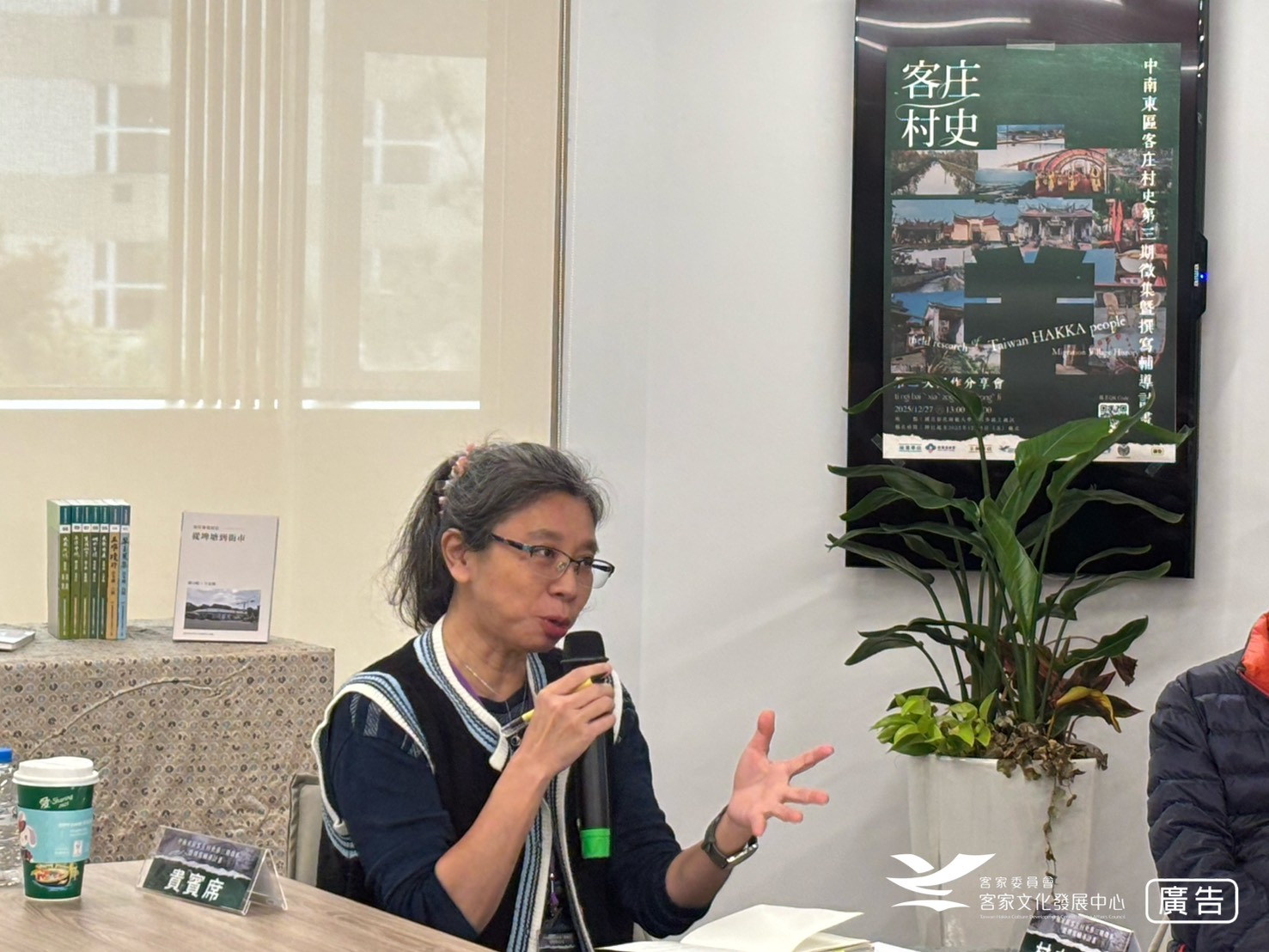
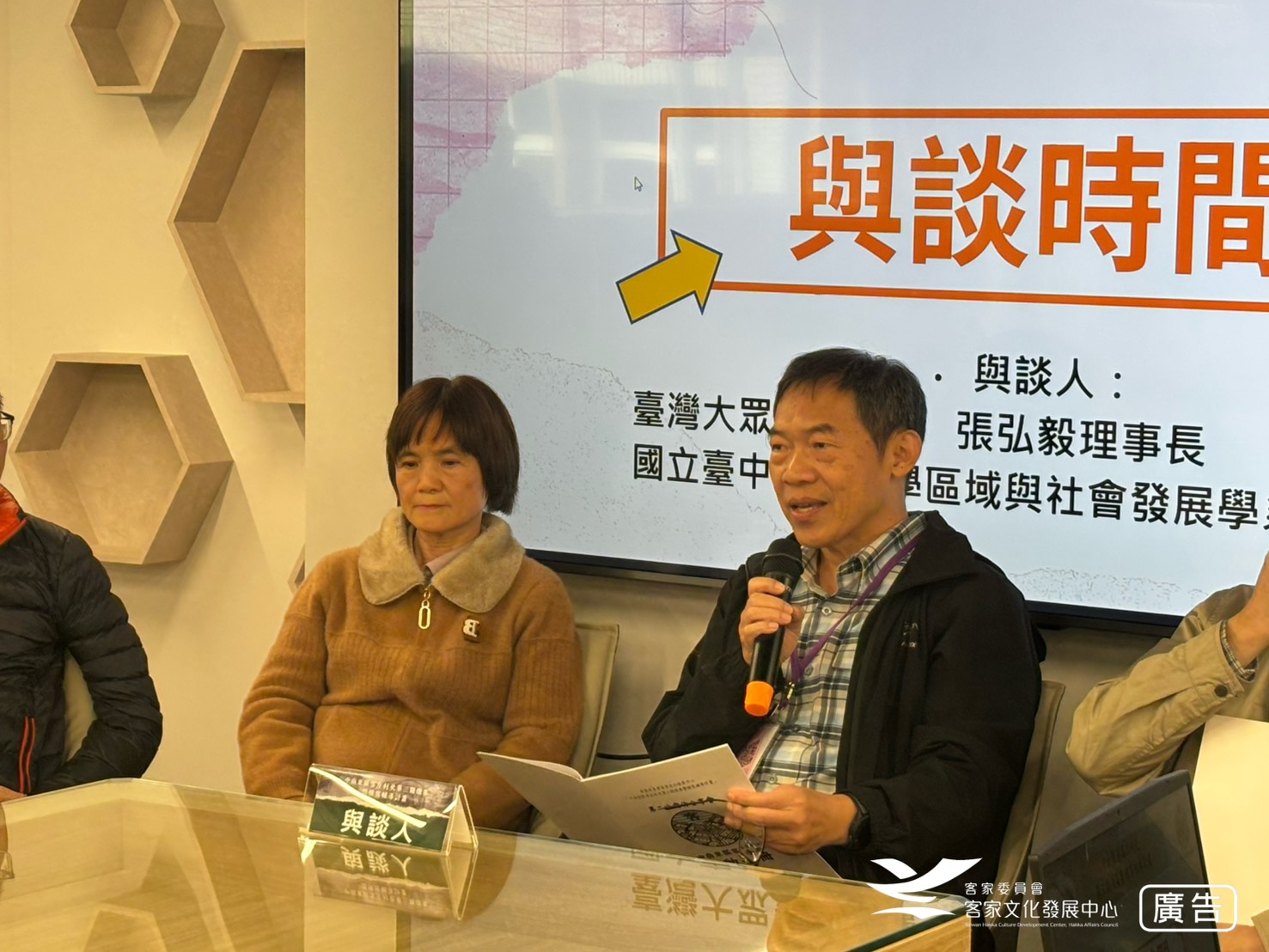
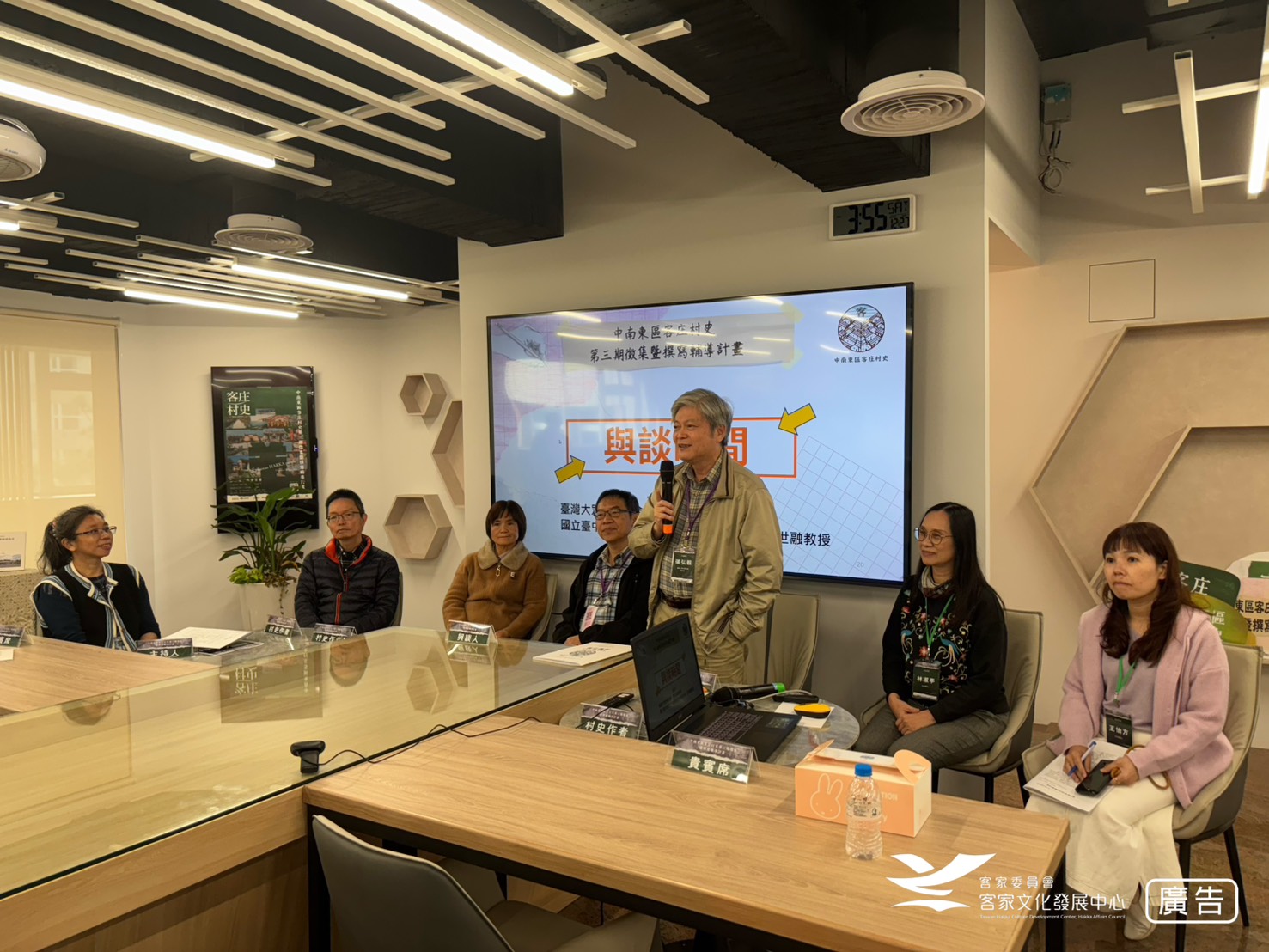
The Village History Writing Sharing Session welcomed members of the project’s advisory team—Professor Li Tsung-hsin, Professor Hung Hsin-lan, Associate Professor Chang Hung-yi, Professor Pan Tsung-yi, and Associate Professor Wang Cheng-wen—to offer their guidance. Drawing on their extensive practical experience and distinctive insights, they provided each village history author with thoughtful, professional feedback and encouraged them to document the stories of their communities with care and dedication. Through an open and relaxed dialogue format, the event helped bridge the gap between academic research and the public while bringing into sharper focus the meaning and value of writing village histories.
At the event, the village history authors generously shared their writing experiences and engaged in lively exchanges with community members onsite and online. Every question and response sparked new insights, deepening the participants’ understanding and reflection on the practice of documenting Hakka village histories. This gathering was more than a dialogue on writing—it was a meaningful convergence of culture and collective memory.
Looking ahead, we will continue to promote village history writing, inspiring more people to engage in this meaningful work of cultural preservation. We hope that through this sharing session, the significance and methods of documenting village histories will reach a wider audience, further supporting the transmission of local heritage while providing motivation and inspiration to future writers. The path of cultural preservation comes alive through everyone’s enthusiastic participation, and we look forward to the next gathering—an opportunity to infuse new energy and vitality into the practice of village history writing.