
Activity Outcome
2026 “Dien-Song, Dien-Cong” Collection Management Forum and Hakka Collections Workshop



- Source:客家文化發展中心
- Publication Date:2026/06/26
- Last updated:2026/09/14
- Count Views:106
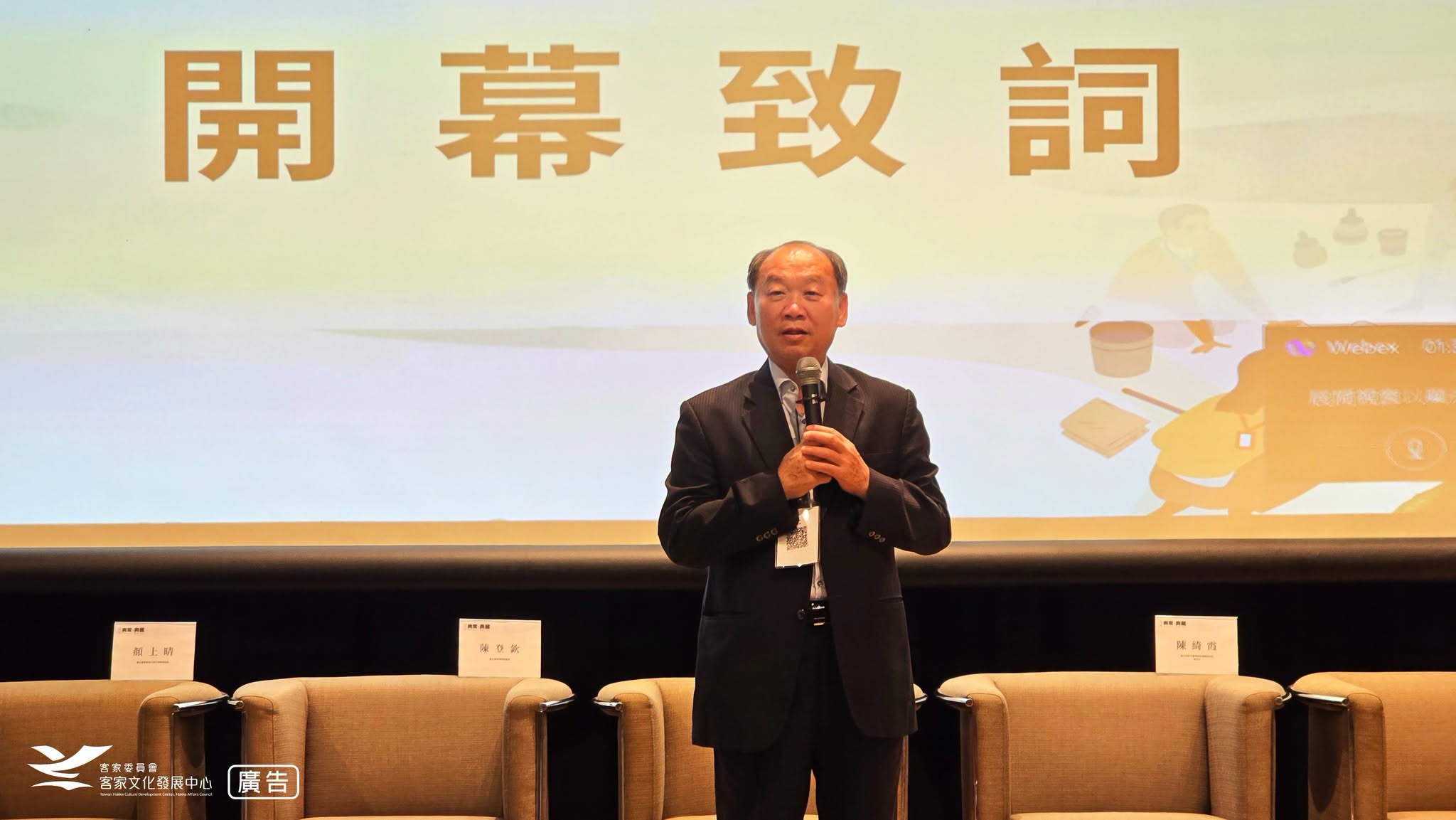
To enhance professional exchange and cooperation in museum collections management, artifact conservation, and cultural heritage preservation, the Hakka Culture Development Center under the Hakka Affairs Council today (the 26th) joined hands with the National Museum of Taiwan History, the National Science and Technology Museum, the National Taiwan Museum, the National Museum of Prehistory, Tainan National University of the Arts, and the Taiwan Museum Association to jointly organize the “Dien-Song, Dien-Cong” Collections Management Forum. The forum brought together practitioners from museums, academic research institutions, and cultural heritage preservation organizations nationwide to share practical experience and explore development trends in collections management.
The core theme of this forum is “cross-domain collaboration,” focusing on collaborative practices among different professional fields in collections management, and covering five major dimensions: “Administration and Regulations,” “Research,” “Collections Management,” “Conservation and Restoration,” and “Application.” With 14 papers presented, the forum showcases a diverse range of practical achievements in cross-disciplinary collaboration within museum collections work. It brought together museum professionals from across the country to share collections management experience and cooperation cases—promoting inter-museum cooperation and cross-domain dialog through professional exchange and the passing down of experience, jointly exploring development trends and innovative approaches in collections work, strengthening professional capacity in collections management, and advancing the sustainable development of museums in step with the times.
Hsieh Sheng-hsin, Director of the Hakka Culture Development Center under the Hakka Affairs Council, stated that he was extremely pleased to have the opportunity today to co-host the “Dien-Song, Dien-Cong” Collections Management Forum with the National Museum of Taiwan History, the National Science and Technology Museum, the National Taiwan Museum, the National Museum of Prehistory, Tainan National University of the Arts, and the Taiwan Museum Association. He felt deeply honored to gather with Director Chang Lung-chih, Director Chen Deng-chin, Dean Yen Shang-ching, and partners from public and private museums across Taiwan, including practitioners and academic personnel from the National (Taipei) Palace Museum, the National Taiwan Museum of Fine Arts, the National Museum of Taiwan Literature, the National Museum of History, the National Center for Traditional Arts, the National Human Rights Museum, the Taiwan Film and Audiovisual Institute, the Museum of the Institute of Ethnology at Academia Sinica, the National Cheng Kung University Museum, the National Taiwan University Herbarium, the Juming Museum, the Parliamentary Museum of the Legislative Yuan, and the cultural affairs bureaus of various county and city governments. He noted that whether it be Hakka, Minnan, Indigenous, or other ethnic cultures, each carries a rich historical context and wisdom and that collections management is an essential mission for preserving cultural heritage and passing down ethnic memory.
In the face of the increasingly complex challenges of contemporary collections work, collaboration and resource sharing among museums have become exceptionally important. It is believed that this forum will bring together strengths from various sectors to deepen professional dialog and cross-disciplinary collaboration, jointly exploring innovative thinking and development directions in collections work. By working together to safeguard precious cultural heritage, collections can move beyond preservation to actively engage with society and connect with the public, achieving the vision of “preserving without concealment, illuminating with brilliance,” so that culture may be continuously passed down and reveal new vitality.

